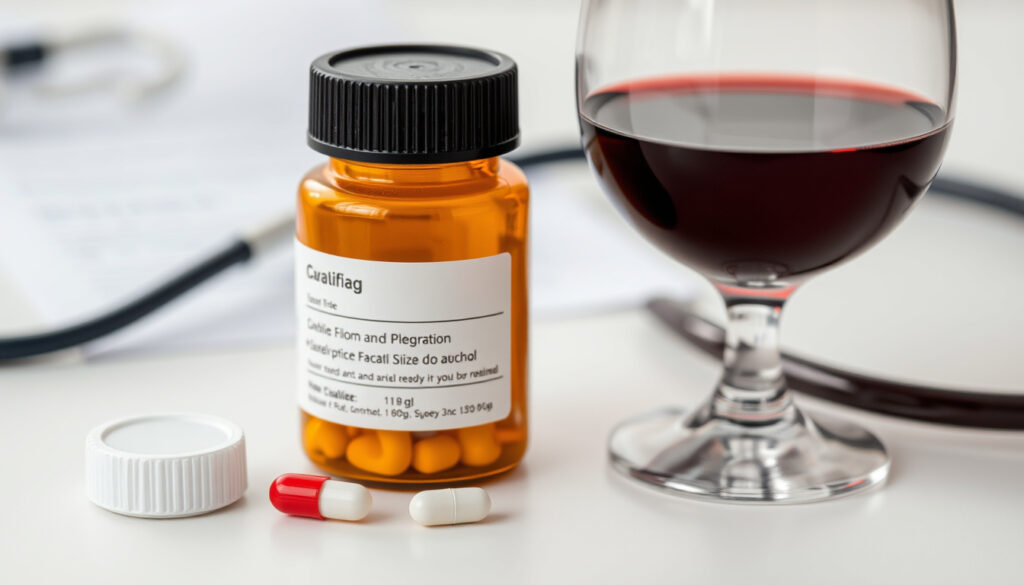
Can You Drink On Antibiotics – Myths, Facts & Expert Guide
The question of whether you can drink alcohol while taking antibiotics is one of the most common medication safety queries patients ask. Many people have been told at some point that mixing the two is dangerous, but the reality is more nuanced. For the majority of common antibiotics, moderate alcohol consumption does not cause a severe medical reaction, though there are important exceptions.
Alcohol usually does not make most antibiotics stop working, according to a review of the evidence published in PMC. However, drinking during a course of treatment can worsen side effects such as nausea, dizziness, stomach upset, and drowsiness. For a small number of antibiotics, alcohol can trigger a true dangerous interaction that requires complete avoidance. Understanding which antibiotics fall into which category is essential for making informed decisions.
This article examines the evidence behind the common myths, provides specific guidance for frequently prescribed antibiotics, and offers practical advice for those recovering from infections like UTIs and tonsillitis. The information draws on guidance from the NHS, Mayo Clinic, and a 2020 peer-reviewed review of alcohol–antibiotic interactions.
Antibiotics and alcohol myth: Is it safe to drink?
Key insights on alcohol and antibiotics
- Most common antibiotics such as amoxicillin, doxycycline, and flucloxacillin do not have a severe interaction with moderate alcohol.
- Alcohol can impair immune function and delay recovery, even when no drug interaction occurs.
- The myth that all antibiotics are dangerous with alcohol persists, but only a few — notably metronidazole — cause severe reactions.
- Alcohol and antibiotics can produce overlapping side effects such as nausea, dizziness, and drowsiness, making combination potentially more unpleasant.
- Drinking during an infection can worsen dehydration and disrupt sleep, both of which are important for recovery.
- Always check the medication leaflet or consult a pharmacist, especially for new or infrequently used antibiotics.
- If your antibiotic was prescribed for a serious infection, ask your prescriber before drinking, as the safest recommendation depends on your illness, dose, and other medications.
Alcohol interaction fact table for common antibiotics
| Antibiotic | Interaction with alcohol | Safe with moderate alcohol | Wait time after last dose |
|---|---|---|---|
| Amoxicillin | None significant | Yes | None required |
| Doxycycline | None significant (heavy drinking may reduce effectiveness) | Yes (with caution) | None required |
| Flucloxacillin | None significant | Yes | None required |
| Metronidazole | Severe – disulfiram-like reaction (nausea, vomiting, flushing) | No | At least 48 hours (some sources say 72 hours) |
| Tinidazole | Severe – similar to metronidazole | No | At least 72 hours |
| Cefoperazone | Moderate – disulfiram-like reaction possible | No | 48–72 hours |
Can you drink alcohol with amoxicillin 500mg?
Amoxicillin is one of the most widely prescribed antibiotics, and many patients wonder whether they can have a glass of wine or a beer while taking it. According to the available evidence from the NHS, Healthline, and the PMC review, amoxicillin does not have a known severe alcohol interaction. Alcohol is not expected to stop amoxicillin from working or cause a dangerous reaction.
That said, drinking while on amoxicillin may still worsen side effects such as nausea or stomach upset. Because both alcohol and the antibiotic can cause gastrointestinal discomfort, combining them may make you feel worse, particularly if you are already unwell with an infection.
Usually no mandatory alcohol ban, but moderation or avoidance is the safer choice while recovering. If you do drink, stick to moderate amounts — one drink for women, two for men — and pay attention to how you feel.
Can you drink while on amoxicillin?
The short answer is that occasional, moderate drinking is unlikely to cause harm. The Recovery Village notes that alcohol does not generally “cancel out” antibiotics, and the belief that alcohol broadly reduces antibiotic efficacy is not well supported by data. However, clinicians still advise caution because both substances can cause similar side effects, increasing the chance of nausea, vomiting, diarrhea, dizziness, and drowsiness.
Can you drink on antibiotics doxycycline?
Doxycycline belongs to the tetracycline class of antibiotics. Some sources, including The Recovery Village, list doxycycline among tetracyclines where alcohol should be avoided, citing potential reduced effectiveness and increased nausea. However, other sources indicate that moderate drinking is generally acceptable. The discrepancy arises because chronic heavy drinking may alter the metabolism of doxycycline, potentially reducing its half-life and effectiveness. For most patients taking a short course, an occasional drink is unlikely to cause problems, but avoidance is the safest approach if you already feel nauseated.
Can you drink on antibiotics flucloxacillin?
Flucloxacillin is not associated with a specific severe alcohol interaction in the available research. The general side-effect worsening that applies to most antibiotics — nausea, dizziness, stomach upset — still applies. Flucloxacillin is usually not in the “strict no alcohol” group, but checking the patient leaflet or asking your pharmacist for your exact formulation is always wise.
Can you drink on antibiotics for UTI?
Urinary tract infections are commonly treated with antibiotics such as nitrofurantoin, trimethoprim, or fosfomycin. When considering alcohol, the infection itself matters as much as the antibiotic. With a UTI, alcohol can irritate the bladder and worsen dehydration, which can make symptoms feel worse, according to Franciscan Health and Healthline.
There is no direct drug interaction between alcohol and the most common UTI antibiotics, but drinking can slow your recovery by dehydrating the body and weakening the immune response. The safest approach is to avoid alcohol until the infection has cleared and you have finished your course of antibiotics.
Even if your specific UTI antibiotic does not interact with alcohol, drinking can irritate the bladder lining and worsen symptoms like urgency and burning. Alcohol also acts as a diuretic, which can increase dehydration and make it harder for your body to fight the infection.
Can you drink on antibiotics for tonsillitis?
Tonsillitis is often treated with penicillin, amoxicillin, or clindamycin. Alcohol can aggravate throat irritation and dehydration and may increase the chance of nausea or poor sleep while you recover, according to Franciscan Health and The Supportive Care. As with UTIs, the bigger concern is often the illness itself rather than a direct drug interaction. Drinking with a sore throat can also cause a stinging sensation and make swallowing more uncomfortable.
For both UTI and tonsillitis, the practical, safety-first rule is to avoid alcohol while you are symptomatic. Once you feel well enough and have completed your antibiotic course, moderate drinking is generally acceptable for most antibiotics — with the notable exception of metronidazole.
For UTI: avoid alcohol to prevent bladder irritation and dehydration. For tonsillitis: avoid alcohol to prevent throat irritation and support immune recovery. In both cases, waiting until you have finished the full course and feel well is the safest strategy.
How long should I wait to drink alcohol after taking antibiotics?
The answer depends entirely on which antibiotic you were prescribed. For metronidazole, multiple sources including GoodRx, Franciscan Health, Healthline, and the PMC review agree on a waiting period of at least 72 hours (3 days) after the last dose before consuming alcohol. For tinidazole, a similar antibiotic, the wait time is also at least 72 hours.
For most other antibiotics — including amoxicillin, doxycycline, and flucloxacillin — there is no mandatory waiting period after the course ends. However, a cautious approach is to wait until you have completed treatment and you feel well enough, because the bigger issue is often side effects and illness recovery rather than a direct drug interaction.
Recommended waiting periods by antibiotic
- Metronidazole: Avoid alcohol completely during treatment and for at least 48–72 hours after the last dose.
- Tinidazole: Avoid alcohol during treatment and for at least 72 hours after the last dose.
- Cefoperazone: Avoid alcohol for 48–72 hours after the last dose due to possible disulfiram-like reaction.
- Amoxicillin, doxycycline, flucloxacillin, and most other antibiotics: No specific wait time, but wait until the course is completed and you feel well.
- If unsure: Consult your pharmacist or doctor, especially if you have liver concerns or take multiple medications.
What is certain and what remains unclear about alcohol and antibiotics?
Established information
- Alcohol does not reduce the effectiveness of amoxicillin, doxycycline, or flucloxacillin.
- Metronidazole and tinidazole cause a severe disulfiram-like reaction when mixed with alcohol.
- Moderate alcohol consumption is not dangerous for most antibiotics.
- Alcohol impairs immune response and can prolong illness.
Information that remains unclear
- Whether occasional light drinking slows antibiotic absorption — some studies suggest minor effects with heavy drinking.
- The exact safe threshold for moderate drinking, which varies by individual health and liver function.
- Whether long-term heavy drinkers have altered metabolism of certain antibiotics, such as a reduced half-life for doxycycline.
Why the myth about alcohol and antibiotics persists
Many antibiotics used to carry a yellow caution sticker warning against alcohol. This was partly due to historical cases involving metronidazole and the fear of liver toxicity. Today, evidence shows only a handful of antibiotics cause severe interactions. The PMC article by Mergenhagen and colleagues, which reviewed 95 studies and has accumulated 86 citations, found that for most antibiotics, alcohol does not affect treatment outcome.
Even without a drug interaction, alcohol can dehydrate the body, disrupt sleep, and weaken the immune system. This may extend the duration of infection and increase side effects. These factors help explain why many clinicians and health authorities continue to advise caution, even when the direct pharmacological risk is low. For more information on healthy eating, check out this Healthy meals for weight loss.
The FDA has also issued general warnings about mixing medication and alcohol, noting that alcohol can alter the way many drugs work in the body. This broader context contributes to the enduring perception that all antibiotics are unsafe with alcohol.
What authoritative sources say about antibiotics and alcohol
“It’s a good idea to avoid drinking alcohol when taking medicine or feeling unwell. But it’s unlikely that drinking alcohol in moderation will cause problems if you are taking most common antibiotics.”
— NHS, Antibiotics interactions
“Modest alcohol use doesn’t affect most antibiotics. But drinking alcohol can lower your energy and slow how fast you get better from illness.”
— Mayo Clinic, Antibiotics and alcohol
“Many antibiotics carry caution stickers that warn against alcohol consumption. Data regarding concurrent use are sparse.”
— Mergenhagen et al., PMC, 2020
According to Baylor Scott & White Health, for the most part, alcohol in moderation — which equates to one drink for women and two drinks for men — is fine when taking antibiotics and not likely to cause problems. The CDC also provides resources on antibiotic prescribing and use, emphasizing the importance of taking antibiotics exactly as prescribed.
Summary: Can you drink on antibiotics?
For most common antibiotics including amoxicillin, doxycycline, and flucloxacillin, moderate alcohol consumption does not cause a dangerous interaction. However, metronidazole and tinidazole require complete avoidance during treatment and for several days after the last dose. Regardless of the antibiotic, drinking while sick can slow recovery by dehydrating the body, disrupting sleep, and weakening the immune system. The safest choice is to avoid alcohol until you have finished your course and feel well again. If you are ever unsure, check your medication leaflet or ask your pharmacist. For those interested in broader health and wellness topics, you may also find our evidence-based guide on Are Tomatoes Good For You – An Evidence-Based Health Guide and the Is Sourdough Gluten Free – Complete Guide for Celiac and Gluten Sensitivity useful for understanding how different foods and substances affect your health.
Frequently asked questions about alcohol and antibiotics
Can I drink alcohol while taking metronidazole?
No — metronidazole causes a severe reaction with alcohol including nausea, vomiting, and flushing. Avoid alcohol during treatment and for at least 48 to 72 hours after the last dose.
Does beer or wine affect antibiotics differently than spirits?
The type of alcoholic drink does not change the interaction — ethanol is the active compound. However, certain antibiotics like metronidazole react with any amount of alcohol regardless of the beverage type.
What should I do if I accidentally drank alcohol while on metronidazole?
Stop drinking immediately. Symptoms usually subside without treatment. If severe symptoms such as chest pain or difficulty breathing occur, seek emergency care.
Can I drink alcohol if I am on antibiotics for a dental infection?
Dental infections are often treated with amoxicillin or clindamycin — moderate alcohol is generally safe but may impair healing. Always confirm with your dentist or oral surgeon.
Does alcohol stop antibiotics from working?
For most antibiotics, alcohol does not stop them from working effectively. A 2020 review found that the belief that alcohol broadly reduces antibiotic efficacy is not well supported by evidence.
Can I drink one glass of wine while on doxycycline?
Moderate drinking is generally acceptable, but some sources advise avoidance due to possible reduced effectiveness and increased nausea. If you do drink, limit to one drink and monitor how you feel.
How long after finishing antibiotics can I drink alcohol?
For most antibiotics, you can drink after finishing the course. For metronidazole and tinidazole, wait at least 72 hours after the last dose. For all others, wait until you feel well enough.
Can I drink alcohol while taking antibiotics for a sinus infection?
Sinus infections are often treated with amoxicillin or doxycycline. Moderate alcohol is not dangerous with these antibiotics, but drinking may worsen congestion and slow recovery.
Is it safe to drink on antibiotics while sick?
Even without a drug interaction, alcohol can dehydrate you, disrupt sleep, and impair immune function — all of which can prolong illness. Avoiding alcohol while sick is the safest choice.
Does the NHS say you can drink on antibiotics?
The NHS states that it is unlikely moderate drinking will cause problems with most common antibiotics, but advises avoiding alcohol when taking medicine or feeling unwell.
More related posts
 How Many Litres In A Gallon – US vs UK Conversions
 St Kitts Nevis – Country Facts, Passport Rank and Travel Guide
 Thomas Partey – Rape Charges, Court Case & World Cup 2026
 People Famous – Most Famous People in the World 2025
 Glenn Close – Age, Movies, Net Worth, and Family Life
 Manchester United vs Burnley Standings – 2025/26 Positions & Results
 How to Screenshot on Chromebook – Full Guide for All Devices
 Live Football TV Streaming HD – App Download and PC Guide
