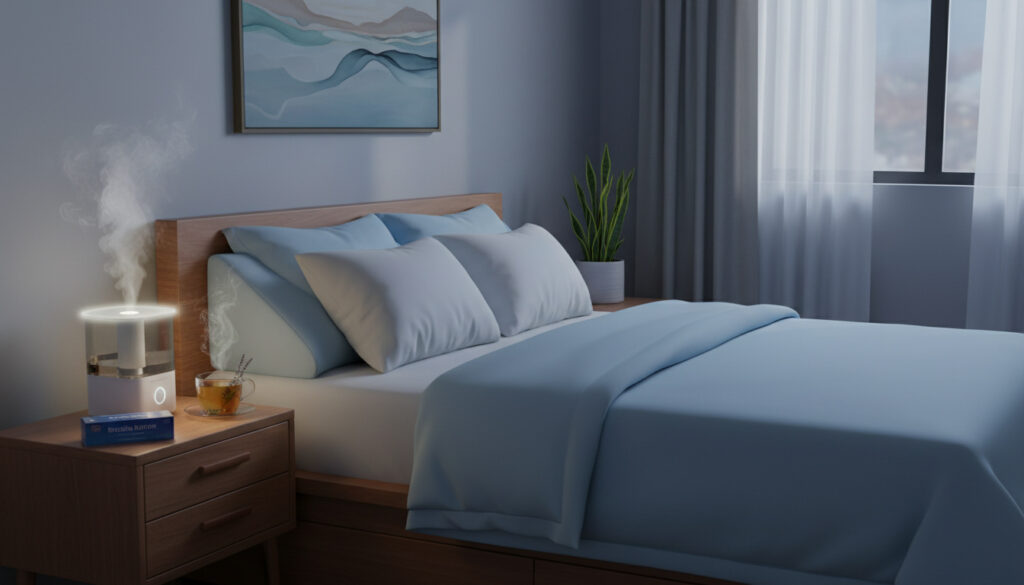
How to Stop Snoring Immediately – Proven Remedies for Tonight
Snoring disrupts sleep for approximately 40 percent of adults, creating tension in relationships and leaving sufferers exhausted before the day begins. The search for immediate relief often leads to conflicting advice about devices, surgeries, and lifestyle changes that take months to show results. Yet several evidence-based techniques can reduce or eliminate snoring tonight without prescription medication or expensive equipment.
The sound of snoring originates from vibrating tissues in the throat and nasal passages when airflow becomes restricted during sleep. While chronic snoring sometimes signals obstructive sleep apnea requiring medical intervention, simple positional adjustments and over-the-counter aids provide rapid relief for the majority of occasional snorers. Understanding which solutions target your specific type of airway obstruction marks the difference between temporary fixes and sustained quiet nights.
Selecting the appropriate remedy requires identifying whether your snoring stems from nasal congestion, throat tissue collapse, or tongue positioning. The following sections outline actionable strategies organized by speed of effectiveness, starting with modifications you can implement within the next five minutes.
Does Sleeping on Your Side Stop Snoring Immediately?
Positional therapy offers the fastest non-invasive solution for positional snorers—those who only snore while lying on their backs. When you sleep supine, gravity pulls the tongue and soft palate toward the throat, narrowing the airway and causing tissue vibration. Shifting to side sleeping can provide immediate relief for many individuals by keeping the airway open and allowing unrestricted airflow.
Maintaining side sleeping throughout the night presents the primary challenge, as unconscious movement often returns sleepers to their backs. The tennis ball technique—taping or stitching a ball to the back of sleepwear—creates enough discomfort to prevent supine positioning without fully waking you. Specialized pillows designed to support side sleeping offer a more comfortable alternative for long-term habit formation.
Side Sleeping Setup
Use body pillows or tennis ball technique to maintain lateral position through the night.
Nasal Strips
Flexible bands that expand nasal passages for improved airflow when congestion is the culprit.
Throat Exercises
Targeted muscle strengthening that reduces tissue vibration with consistent practice.
Alcohol Avoidance
Eliminating consumption two hours before bed prevents excessive muscle relaxation.
Key Insights on Positional and Immediate Remedies
- Positional therapy eliminates snoring in 50-60% of mild cases where back-sleeping is the primary trigger
- Alcohol consumption within two hours of sleep significantly increases snoring intensity by relaxing throat muscles
- Nasal strips only provide relief when snoring originates from restricted nasal passages rather than throat collapse
- Throat exercises demonstrate measurable results after one week of daily practice, with some users reporting immediate subtle improvement
- Extra weight around the neck increases airway collapse risk proportionally to neck circumference
- Sudden onset snoring often indicates temporary congestion, medication side effects, or acute alcohol consumption
- Persistent loud snoring accompanied by breathing pauses or daytime fatigue requires medical evaluation for sleep apnea
Snoring Facts at a Glance
| Factor | Data Point |
|---|---|
| Adult Prevalence | 40% of population |
| Primary Mechanical Cause | Relaxed throat tissues blocking airway |
| Fastest Positional Fix | Side sleeping (50-60% efficacy) |
| Alcohol Buffer Time | Minimum 2 hours before bed |
| Nasal Contribution | Congestion restricts airflow significantly |
| Weight Impact | Neck circumference correlates with severity |
| Smoking Effect | Irritates and inflames airways |
| Gender Distribution | Higher prevalence in men |
| Age Progression | Frequency increases with age |
| Exercise Efficacy | Up to 40% reduction potential |
| Medical Red Flag | Daytime sleepiness + loud snoring |
| Device Success Rate | Varies by individual anatomy |
Quick Natural Remedies to Stop Snoring Tonight
Beyond positional changes, several natural interventions require minimal preparation yet deliver measurable results before morning. These approaches target muscle tone, mucus reduction, and airway hydration without pharmaceutical intervention.
Throat Exercises for Immediate Muscle Tone
Weak throat muscles contribute to airway collapse during sleep. Specific exercises strengthen the soft palate, uvula, and tongue base to resist vibration. Performing these 10 minutes before bed may provide subtle same-night improvement, with significant reduction typically appearing after one week of consistency.
The didgeridoo exercise—practicing circular breathing techniques—has demonstrated clinical effectiveness in reducing snoring by strengthening upper airway muscles. Singing exercises that forcefully engage the throat and soft palate offer a more accessible alternative, requiring no special equipment.
Press the tongue flat against the roof of the mouth and slide it backward toward the throat for 30 seconds. Repeat three times. This activates muscles that maintain airway patency during sleep.
Hydration and Steam Inhalation
Dehydration creates thick, sticky mucus in the throat and nasal passages that increases friction and vibration. Drinking adequate water throughout the day—and particularly in the evening—maintains thin, flowing secretions that allow smooth airflow. Steam inhalation or a hot shower before bed adds moisture to congested nasal passages, offering temporary relief similar to humidifier use.
Weight and Dietary Considerations
Excess tissue around the neck compresses the airway during sleep, particularly when lying flat. While weight loss provides long-term reduction, avoiding heavy meals within three hours of bedtime prevents immediate pressure on the diaphragm and throat from a full stomach. Extra weight in the neck area specifically increases pressure on the airway, making even minor reductions impactful.
Devices That Stop Snoring Fast
Over-the-counter devices offer mechanical solutions when anatomical factors resist natural remedies. These tools work by either dilating nasal passages, repositioning the jaw, or preventing tongue collapse.
Nasal Strips and Dilators
Nasal strips adhere to the nose bridge and use spring-like tension to pull nostrils open, increasing airflow volume. They prove most effective when snoring stems from narrow nasal passages or temporary congestion. Nasal dilators—small plastic cones inserted into the nostrils—accomplish similar dilation through physical expansion from inside the passage.
Oral Appliances and Mouth Guards
Mandibular advancement devices push the lower jaw forward, tightening throat tissues and opening the airway. Boil-and-bite versions available at pharmacies offer immediate trial options, while custom-fitted devices from dentists provide superior comfort and effectiveness for long-term use. Tongue-retaining devices grip the tongue tip to prevent it from sliding backward into the throat.
No single device works universally. Nasal solutions fail for throat-based snoring, while mouth guards prove unnecessary for pure nasal congestion. Trial and error typically identifies the appropriate category within three nights of testing.
Chin Straps and Positioning Aids
Anti-snoring chinstraps wrap around the head and chin to keep the mouth closed during sleep, encouraging nasal breathing and maintaining tongue position. While generally effective for mouth-breathers, some users report discomfort or skin irritation. These work best combined with side-sleeping rather than as standalone solutions.
When Snoring Signals a Serious Problem
Occasional snoring after alcohol consumption or during nasal congestion rarely indicates serious pathology. However, specific patterns and accompanying symptoms demand medical evaluation to rule out obstructive sleep apnea, a condition linked to cardiovascular strain and metabolic disruption.
Why Do I Suddenly Snore?
Sudden onset snoring in adults typically traces to acute upper respiratory infections, allergic reactions, or new medications. Sedatives including zolpidem, clonazepam, and eszopiclone relax throat muscles excessively, mimicking alcohol’s effect. Weight gain of even five pounds can trigger new snoring by increasing neck circumference pressure. Pregnancy-related snoring emerges from hormonal changes and increased blood volume causing nasal swelling.
Is Snoring Dangerous?
Simple snoring—vibration without breathing interruption—primarily threatens sleep quality and relationship harmony. However, snoring accompanying obstructive sleep apnea creates genuine health risks. Apnea involves repeated breathing pauses that drop blood oxygen levels, straining the cardiovascular system and fragmenting sleep architecture. Chronic sufferers face elevated risks of hypertension, stroke, and diabetes independent of other factors.
Consult a physician if snoring includes witnessed breathing pauses, gasping, or choking sounds. Excessive daytime sleepiness despite adequate time in bed, morning headaches, and elevated blood pressure combined with loud snoring require sleep study evaluation. A sleep study diagnoses underlying disorders and determines appropriate treatment.
Medical Interventions for Persistent Cases
CPAP machines deliver continuous positive airway pressure through a mask, preventing airway collapse in sleep apnea patients. While representing the gold standard for apnea treatment, some users struggle with mask comfort or noise. Fotona NightLase laser therapy offers a non-surgical alternative that tightens collagen in throat tissues, though availability varies by region and insurance rarely covers this elective procedure.
Your Quick Action Timeline for Snoring Relief
Structured implementation improves success rates by preventing the overwhelm of attempting all remedies simultaneously. This prioritized sequence addresses the most common causes first.
- Tonight: Transition to side sleeping using the tennis ball technique or body pillows. Eliminate alcohol at least two hours before bed. Apply nasal strips if congestion is present. Elevate head with extra pillows.
- Week One: Implement daily throat exercises (10 minutes). Maintain hydration throughout the day. Test over-the-counter oral appliances or chin straps if positional changes prove insufficient.
- If Persistent: Schedule medical consultation when snoring continues despite these interventions, particularly if daytime fatigue or breathing pauses occur. Request referral for sleep study and evaluation for custom oral appliances.
Established Facts vs. Remaining Questions
Scientific consensus supports certain interventions while others await robust clinical validation. Understanding this distinction prevents wasted effort on unproven methods.
Clinically Established
- Side sleeping reduces airway collapse in positional snorers
- Alcohol consumption worsens snoring through muscle relaxation
- Nasal congestion contributes significantly to snoring volume
- Weight loss reduces neck pressure and snoring severity
- Smoking cessation improves airway inflammation
Still Uncertain
- Long-term effectiveness of over-the-counter devices varies by individual anatomy
- Specific exercise protocols lack standardized dosing
- Interaction between multiple simultaneous remedies remains unstudied
- Predictive factors for which device category works best for specific individuals
The Mechanics of Nighttime Noise
Snoring occurs when the flow of air through the mouth and nose becomes partially obstructed during sleep. As air squeezes through narrowed passages, it causes surrounding tissues—including the soft palate, uvula, and pharyngeal walls—to vibrate against each other. The resulting sound ranges from soft whistling to harsh rattling depending on tissue thickness, airway narrowing severity, and airflow velocity.
Risk factors accumulate with age as throat muscles lose tone and nasal passages narrow. Men typically snore more frequently than women until menopause, when hormonal shifts alter airway dynamics. Anatomical variations such as deviated septums, enlarged tonsils, or low thick soft palates create permanent structural vulnerability. Super King Size Mattress Dimensions and Room Guide provides guidance on optimizing sleep environments that accommodate positional therapy and elevated sleeping arrangements.
The social and health consequences extend beyond annoyed bed partners. Fragmented sleep architecture prevents deep restorative sleep stages, leading to cognitive fog, mood disturbances, and increased accident risk. Maintaining overall health through proper skincare routines, including Salicylic Acid Face Wash Benefits, complements sleep hygiene practices for comprehensive wellness.
Clinical Perspectives on Immediate Solutions
“Side sleeping reduces airway collapse by preventing the tongue and soft palate from falling backward into the throat. This positional change often provides immediate audible reduction in snoring volume.”
— Mayo Clinic Sleep Medicine Specialists
“Oral appliances that advance the mandible or retain the tongue represent effective first-line therapy for primary snoring and mild to moderate sleep apnea, offering immediate mechanical relief when properly fitted.”
— Cleveland Clinic Head and Neck Institute
“Nasal strips provide relief specifically when nasal valve collapse or congestion restricts airflow. They prove ineffective for snoring originating from the oropharynx, highlighting the importance of identifying the anatomical source.”
— Northwestern Medicine Sleep Health
Taking Control of Your Sleep Tonight
Immediate snoring relief remains achievable for most sufferers through strategic positional changes, nasal dilation, and muscle engagement. Begin with side sleeping and alcohol avoidance tonight, then layer additional interventions based on your specific anatomical factors. Persistent loud snoring, particularly when accompanied by daytime fatigue or witnessed breathing pauses, demands professional evaluation to exclude sleep apnea. The path to quiet nights requires matching the remedy to the cause—whether that means a tennis ball sewn into pajamas or consultation with a sleep specialist.
Common Questions About Immediate Snoring Relief
Why do I suddenly snore when I never used to?
Sudden snoring typically results from recent weight gain, new medications (especially sedatives), alcohol consumption, nasal congestion from colds or allergies, or pregnancy. Temporary factors often resolve when the trigger disappears.
Is snoring dangerous or just annoying?
Simple snoring primarily affects sleep quality and relationships. However, snoring accompanied by breathing pauses, gasping, or severe daytime sleepiness indicates obstructive sleep apnea, which increases cardiovascular and metabolic risks.
What causes sudden snoring in adults?
Acute causes include upper respiratory infections, allergic reactions, alcohol use within two hours of sleep, sedative medications like zolpidem or clonazepam, and even minor weight gain increasing neck circumference.
When should I see a doctor for snoring?
Seek medical evaluation if snoring includes witnessed apneas, morning headaches, excessive daytime sleepiness, or if home remedies fail after two weeks. Your doctor may recommend a sleep study or prescribe nasal treatments.
What is the single best way to stop snoring fast?
Side sleeping offers the fastest intervention for positional snorers, with potential immediate results. Combine with avoiding alcohol and using nasal strips if congestion contributes to your specific snoring pattern.
Does mouth taping effectively stop snoring?
Mouth taping forces nasal breathing and may help mouth-breathers, but lacks extensive clinical validation. It should never be used if nasal congestion is present, during alcohol consumption, or by anyone with untreated sleep apnea.
How can I stop snoring immediately during pregnancy?
Pregnancy snoring stems from nasal swelling and weight changes. Side sleeping (left side preferred for circulation), nasal strips, and elevated head positioning provide immediate relief without medication risks.
More related posts
 Equestrian Property for Sale – UK Listings Prices and Regions
 Watch Repair Near Me – Compare Prices, Times and Trusted Shops
 Keith Flint – The Tragic Death of The Prodigy Frontman
 Neil Robertson – Net Worth, Wife, Children and Height
 Les Mills On Demand – Pricing, Workouts and Reviews Guide
 Colin Jackson – World Record, Partner and Life Story
 Is the Next Sale on Tomorrow – Times Dates and Key Facts
 Ridley (TV Series) Episodes – Seasons 1-2 Complete Guide
