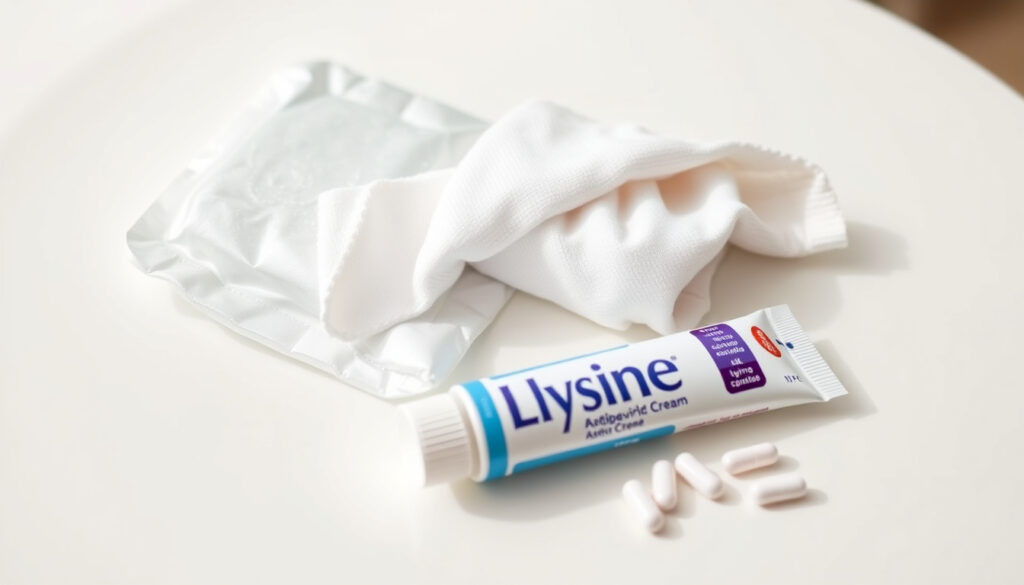
How to Get Rid of Cold Sore – Fa t Treatment Proven by Expert
Cold sores are small, fluid-filled blisters that usually appear on or around the lips. They are caused by the herpes simplex virus type 1 (HSV-1), and while there is no cure, treatments can shorten their duration and ease discomfort. The key to the fastest relief is starting antiviral medication at the very first sign of a tingle or burn.
Many people search for ways to get rid of a cold sore fast, hoping for an instant remedy. Medical evidence shows that no treatment kills the virus immediately, but a combination of early antiviral therapy and supportive home care can reduce healing time by a day or two. Understanding the stages of a cold sore and what actually works can help you act quickly and avoid common pitfalls.
This article covers the fastest options, compares over-the-counter and prescription medications, explains causes, and evaluates popular home remedies. Information is drawn from health authorities including the NHS, the Cleveland Clinic, and the Mayo Clinic.
How to Get Rid of a Cold Sore Fast?
The most effective strategy is to act during the prodrome stage—the tingling, burning, or itching that happens before a blister appears. Applying an antiviral cream like docosanol (Abreva) at that moment can prevent the blister from fully forming in some cases. If a blister does appear, the sore will still heal faster than if you waited.
Cold Sores at a Glance
| Aspect | Detail |
|---|---|
| Cause | Herpes simplex virus (HSV-1) – highly contagious, often triggered by stress, sun, or illness. |
| Typical Duration | 7–10 days from tingling to healing; antiviral treatment can shorten to 3–5 days. |
| First-Line Treatment | OTC antiviral creams (docosanol) applied at first tingle; prescription oral antivirals for severe cases. |
| Prevention | Avoid triggers, use sunscreen on lips, manage stress, and avoid sharing utensils or kissing during outbreaks. |
Key Insights
- Cold sores are caused by HSV-1, not by “cold” weather, despite the name.
- No treatment “kills” a cold sore instantly – the fastest relief comes from early application of antiviral cream.
- Home remedies like salt and alcohol can worsen irritation and delay healing.
- Cold sores are always herpes (HSV-1 or rarely HSV-2), but differ from canker sores which are not infectious.
- Oral antivirals (valacyclovir) are the most effective for frequent or severe outbreaks.
- Ice and cold compresses provide symptom relief but do not kill the virus.
Quick Facts About Cold Sores
| Attribute | Value |
|---|---|
| Virus | Herpes simplex virus type 1 (HSV-1), occasionally HSV-2 |
| Contagious period | From first tingle until fully healed (usually 7–10 days) |
| Common triggers | Stress, illness, fever, sun exposure, hormonal changes, fatigue |
| Over-the-counter options | Docosanol (Abreva), lidocaine, zinc oxide, cold sore patches |
| Prescription options | Oral acyclovir, valacyclovir, famciclovir; topical acyclovir, penciclovir |
| Average healing without treatment | 7–10 days |
| Average healing with antiviral cream (started early) | 4–6 days |
| Can it be cured completely? | No – virus remains dormant in nerve cells; treatments manage outbreaks only. |
What Are the Best Cold Sore Medications and Creams?
Choosing the right medication depends on how often you get outbreaks and how severe they are. Over-the-counter creams work well for occasional sores, while prescription oral antivirals are more effective for frequent or severe cases.
Over-the-counter cold sore creams (Abreva, Compeed)
Docosanol (brand name Abreva) is the only FDA-approved over-the-counter antiviral cream for cold sores. It can shorten healing time if applied at the first sign of an outbreak. Other OTC products include lidocaine patches for pain relief and zinc oxide creams that may help dry out the sore. Cold sore patches (like Compeed) protect the area and can make the sore less noticeable.
The Mayo Clinic notes that oral antiviral pills generally work better than creams, especially for people who have frequent outbreaks. A 2010 study in PubMed Central confirms that early treatment with antivirals reduces healing time by about one to two days.
Prescription antiviral medications (acyclovir, valacyclovir)
For people with more than six outbreaks per year or very painful sores, a doctor may prescribe oral antivirals such as acyclovir, valacyclovir, or famciclovir. These medications can also be taken daily as a suppressive therapy to prevent outbreaks. According to the Mayo Clinic, oral antivirals are more effective than topical creams for reducing the duration and severity of an outbreak.
What Causes Cold Sores and Are They Always Herpes?
What causes cold sores?
Cold sores are caused by the herpes simplex virus, most commonly HSV-1. The virus is contracted through direct contact with an infected person—often during childhood. Once inside the body, the virus travels to nerve cells and remains dormant. It can reactivate later due to triggers such as stress, illness, sun exposure, or fatigue. According to the CDC, most adults carry the virus, but not everyone develops visible sores.
Are cold sores always herpes?
Yes, cold sores are always caused by the herpes simplex virus. However, they are often confused with canker sores (aphthous ulcers), which are not contagious and appear inside the mouth on soft tissue. Cold sores typically occur on the lips or around the mouth, while canker sores are located on the gums, tongue, or inner cheeks. If you have a sore inside your mouth that is painful and recurrent, it may still be herpes—especially if it appears on the hard palate or gums. A Complete guide to mouth sores: cold vs canker can help distinguish the two.
Effective Home Remedies for Cold Sores
Many people turn to home remedies for quick relief. Some provide comfort, while others can do more harm than good. It is important to separate anecdotal claims from evidence.
Salt on cold sore overnight – does it work?
Applying salt directly to a cold sore is a common folk remedy, but medical professionals advise against it. Salt can irritate broken skin, increase pain, and delay healing. According to the Houston Methodist, salt does not kill the virus and may cause a secondary infection. The same caution applies to rubbing alcohol and hydrogen peroxide—they are too harsh for a cold sore.
Salt, alcohol, hydrogen peroxide, and essential oils like tea tree oil are often recommended online, but none have strong scientific backing for treating cold sores. They can delay healing and increase irritation. Stick to proven options: ice packs, petroleum jelly, and over-the-counter pain relievers.
Other home remedies: cold compresses, tea tree oil, lysine
A cold compress or ice wrapped in a cloth can numb pain and reduce swelling. Petroleum jelly keeps the sore moist and prevents cracking. Some studies suggest that lysine supplements may help reduce the frequency of outbreaks, but the evidence is mixed. The WebMD notes that aloe vera, lemon balm, and medical-grade honey have shown some benefit in small studies, but they are not a substitute for antiviral medication.
How to Get Rid of Cold Sores in Your Mouth?
Cold sores on the gums, palate, or tongue
Intraoral cold sores are less common than those on the lips, but they can occur. When herpes simplex affects the inside of the mouth, it usually appears on the gums (gingivostomatitis) or the hard palate. These sores are painful and can be mistaken for canker sores. A key difference is that herpes sores often begin as a cluster of tiny blisters that rupture and form shallow ulcers. If you suspect a cold sore inside your mouth, see a healthcare provider for accurate diagnosis.
Risks of treating mouth cold sores at home
Applying harsh home remedies inside the mouth can damage delicate tissue and worsen the infection. Antiviral mouthwashes or oral medications may be needed. A dentist or doctor can prescribe the appropriate treatment. For a deeper explanation of oral herpes and other mouth sores, see our Understanding herpes simplex infections article.
If you have cold sores inside your mouth, or if sores are very large, painful, or last longer than two weeks, consult a doctor or dentist. They can prescribe oral antivirals and rule out other conditions like canker sores or fungal infections.
What is the typical timeline for a cold sore outbreak?
Understanding the stages helps you know when to start treatment and what to expect. Without treatment, a cold sore usually heals in 7 to 10 days, but can take up to two weeks. Early antiviral use can shorten that to 4–6 days.
- Day 0 (Prodrome): Tingling, itching, or burning sensation. Best time to apply antiviral cream – can prevent full blister in some cases. Actions: Apply OTC docosanol or start prescription antiviral immediately.
- Days 1–2 (Blister stage): Small fluid-filled blisters appear; highly contagious. Pain and swelling peak. Actions: Use cold compress, avoid touching, continue antiviral cream.
- Days 3–5 (Weeping/Ulcer stage): Blisters rupture, form shallow open sores, then start crusting. Most contagious. Actions: Keep clean, avoid picking, use patches to protect skin.
- Days 5–7 (Crusting stage): Sores dry out and form a crust/scab. Itching may occur. Actions: Moisturize with lip balm (avoid petroleum jelly if it traps bacteria). Continue gentle care.
- Days 7–10 (Healing stage): Scab falls off, new skin forms. Contagious risk decreases but still present until completely healed. Actions: Continue gentle hygiene; use sunscreen on healed area to avoid pigmentation changes.
What is known and what remains uncertain about cold sore treatment?
Medical research has established clear facts about cold sores, but several popular beliefs lack strong evidence.
| Established Information | Information That Remains Unclear |
|---|---|
| Cold sores are caused by herpes simplex virus (HSV-1). | The effectiveness of ‘instant kill’ home remedies (e.g., salt, alcohol, hydrogen peroxide) is not supported by strong evidence and may cause harm. |
| Antiviral creams (e.g., docosanol, acyclovir) are proven to reduce healing time when applied early. | The role of lysine supplements in preventing outbreaks is debated; some studies show benefit, others not. |
| Oral antiviral medications are effective for frequent outbreaks. | Whether certain foods (like chocolate, nuts) trigger outbreaks varies per individual. |
| Cold sores are contagious from prodrome until complete healing. | The exact mechanism of how cold triggers onset is not fully understood (probably immune suppression). |
| There is no cure; the virus remains dormant in the body. |
How do different treatment approaches compare?
OTC antiviral creams like docosanol are best for early-stage, infrequent outbreaks. They are easy to get and relatively inexpensive. Prescription oral antivirals (valacyclovir, acyclovir) are more effective for frequent or severe outbreaks, and can also be taken daily as prophylaxis. The choice depends on your history and preferences.
Home remedies such as ice and cold compresses have good evidence for symptom relief. Lysine supplements have mixed results. Salt, alcohol, and essential oils lack robust clinical trials and can irritate the skin. The placebo effect may account for many ‘instant fix’ stories.
The idea of getting rid of a cold sore in 24 hours is unrealistic. The viral replication cycle takes 48–72 hours even with treatment. Early antiviral application can sometimes abort an outbreak, but typically it only shortens the duration by one to two days. Setting realistic expectations can reduce frustration.
What do health authorities say about cold sore treatments?
Several official health organizations provide clear guidance on cold sore management. Here are direct quotes from their websites.
“A pharmacist can help with cold sores – creams to ease pain and irritation, antiviral creams to speed up healing time, cold sore patches to protect the skin.”
NHS
“Topical antiviral medications are creams you apply to the affected area. You can get some without a prescription, like docosanol (Abreva).”
Cleveland Clinic
“If you regularly get cold sores, use antiviral creams as soon as you recognise the early tingling feeling. They do not always work after the blister appears.”
What are the key takeaways for managing cold sores?
The fastest way to deal with a cold sore is to start antiviral medication at the first tingle. Keep an OTC cream like docosanol on hand, use cold compresses for pain, and protect your lips from the sun. If outbreaks are frequent or severe, talk to a doctor about prescription antivirals. For a thorough overview of all treatment options, refer to our Complete guide to mouth sores: cold vs canker. Remember that cold sores are contagious until fully healed, so practice good hygiene during an outbreak.
Frequently Asked Questions About Cold Sores
Here are answers to common questions not covered in the main sections above.
What helps cold sores?
Early application of antiviral cream (like docosanol), cold compresses to reduce swelling, and over-the-counter pain relief if needed. Avoid picking or scratching.
Can you pop a cold sore?
No – popping spreads the virus to other areas and increases risk of secondary infection and scarring.
How long is a cold sore contagious?
From the first tingling sensation until the sore is completely healed (skin has regrown), typically 7–10 days.
Can I get a cold sore from someone who doesn’t have a visible sore?
Yes – viral shedding can occur even without symptoms (asymptomatic shedding).
Are cold sores contagious after the scab falls off?
Yes, until the skin is fully healed and any redness is gone. Continue precautions.
More related posts
 Misha Collins – Supernatural Star’s Biography, Age, and Family
 Macaulay Culkin – Net Worth, Partner Brenda Song and Life Today
 50 Euros in Pounds – Compare Rates and Save on Exchange
 Lucas Bravo – Age, Height, Relationship and Emily in Paris Facts
 Nike Jordan – UK Guide to Sizes, Releases and Retailers
 Robin Gunningham – The Man Alleged to Be Banksy
 Don Rickles – Cause of Death, Last Words and Lasting Legacy
 How to Stop Snoring Immediately – Proven Remedies for Tonight
