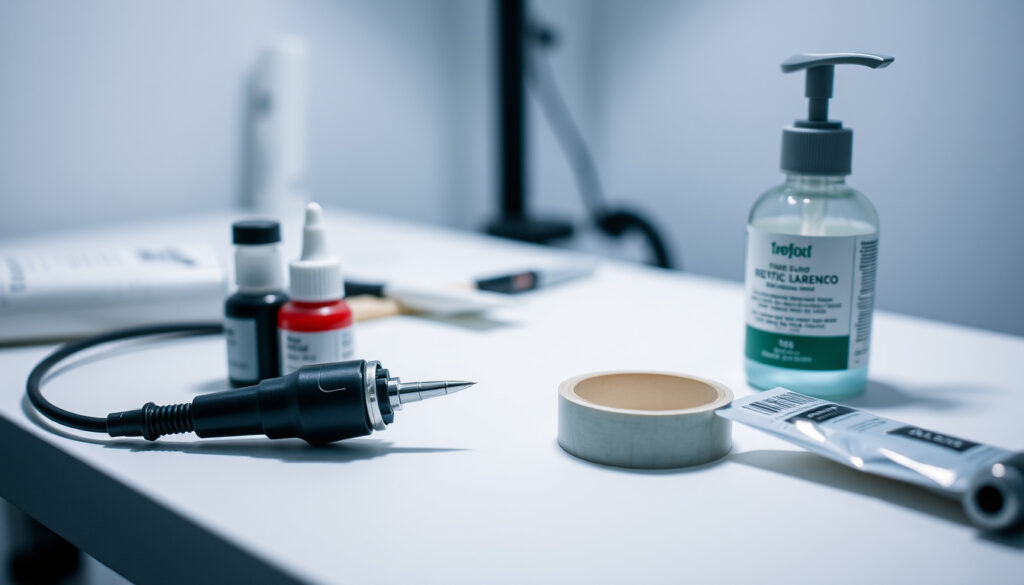
Fine Line Tattoo – Guide to Artists, Cost and Aftercare
Fine line tattoos have become one of the most sought-after styles in modern tattooing, prized for their delicate, minimalist aesthetic. Using ultra-thin needles, these designs offer a subtle alternative to bold traditional work. But achieving a lasting result requires more than just a pretty sketch—it depends on careful artist selection, strategic sizing, and diligent aftercare.
The technique relies on single-needle or micro-needle methods to create fine, clean lines. While the look is elegant, these tattoos can age faster and fade more noticeably than their thicker counterparts if not planned properly. Understanding the nuances of this style is essential for anyone considering their first fine line piece.
This guide covers everything from finding skilled artists in London and Manchester to design ideas that last, pricing expectations, and how to care for your tattoo over time. It draws on verified sources and expert perspectives to help you make an informed decision.
What Is a Fine Line Tattoo and Why Is It So Popular?
Ultra-thin, single-needle lines
London, Manchester, Leeds
Rising trend since 2020
1–3 hours for small designs
A fine line tattoo is created using a single needle or a very fine grouping of three to five needles. This technique deposits less ink into the skin compared to traditional tattooing, resulting in thinner, more delicate lines. The effect is often described as elegant and understated, fitting comfortably in small spaces like the wrist, inner forearm, or behind the ear.
The popularity of fine line tattoos has surged since the late 2010s, driven largely by social media platforms like Instagram. Artists such as Dr. Woo gained global recognition, and the style quickly became mainstream, especially among women and those seeking a lower-commitment aesthetic. In 2025, specialist studios in cities like London and Manchester continue to see high demand.
Unlike micro realism, which aims for highly detailed, photo-realistic imagery, fine line focuses on simplicity and silhouette. Micro realism uses shading and depth, while fine line stays true to clean, minimal linework. Both styles require precision, but their visual goals differ significantly.
- Fine line tattoos use a single needle to create delicate, minimalist designs that are ideal for small spaces.
- Longevity depends heavily on placement, aftercare, and artist skill – fine lines can blur over time if not done properly.
- London and Manchester are key hubs for specialist fine line studios, with many artists booking months in advance.
- The golden ratio tattoo is a niche but growing design choice within the fine line community, often symbolizing balance.
- Pricing typically ranges from £100–£400 for small pieces, with higher rates for experienced artists.
| Fact | Detail |
|---|---|
| Technique | Single-needle or very fine grouping (3–5 needles) |
| Pain Level | Generally lower than thicker lines, but varies by placement |
| Healing Time | 2–4 weeks surface healing; full settling up to 3 months |
| Fading Risk | Higher than bold tattoos; sun exposure is main culprit |
| Best Placements | Wrist, forearm, ankle, behind ear, collarbone |
| Worst Placements | Palms, fingers, inner mouth (fade quickly) |
Where Can I Find Fine Line Tattoo Artists Near Me?
Finding a skilled fine line artist is the most important step. Not all tattoo artists specialize in this delicate technique, and a poorly executed fine line tattoo can blur or fade prematurely. The best approach is to prioritize healed portfolios over fresh photos. Looking at how an artist’s work looks after six months or a year gives a much clearer indication of quality.
When vetting artists, look for experience with single-needle tattoos and a clean, sterilized studio. Reading reviews that mention how pieces have aged over time can also provide valuable insight. Many top artists in London and Manchester book weeks or months in advance, so planning ahead is essential.
Always ask to see healed photos, not just fresh ones. An artist’s skill is best judged by how their work settles into the skin over time. Also, check that the studio follows strict hygiene protocols.
London Artists and Studios
London has a thriving fine line scene. Alina and Lauryne operate from Shoreditch, offering minimal and delicate tattoos with a free touch-up within 2–3 months for natural fading. Math is another London-based artist known for exquisite script tattoos. The Family Business Tattoo, located at 58 Exmouth Market, London EC1R 4QE, and Good Time Tattoo, based at 1st Floor, 8 Lower Clapton Rd, London E5 0PD, are also established studios. Omorfia Beauty & Aesthetics offers fine line treatments starting at £320, with specific aftercare protocols.
For comprehensive lists, resources like “Fine Line Tattoo London | Top Artists” and NAAMA Studios’ “Best Places to Get a Fine Line Tattoo in London” are useful for finding current top artists.
Finding Artists in Manchester
Specific fine line tattoo studios or artists in Manchester were not identified in the available data. However, the same vetting criteria apply: look for artists with healed portfolios, single-needle experience, and positive reviews regarding aging. Checking studio websites and local directories may help identify suitable practitioners.
What Are the Best Fine Line Tattoo Ideas for Small and Simple Designs?
To ensure fine line tattoos age well, subjects should be simple and silhouette-readable, avoiding excessive intricate details that blur over time. For a broad range of inspiration, you can explore Fine line tattoo ideas online.
Key design modifications can significantly improve longevity. Sizing up a design to 5+ inches helps it age significantly better than the same design at 3 inches. Adding light outlines or shadows creates an “aging buffer” that preserves form. Simplifying intricate elements prevents them from blurring into an unreadable shape.
Placement also matters. Inner forearm, outer bicep, thigh, and calf hold fine lines well due to less skin movement and sun exposure. High-risk areas like hands, wrists, ankles, and necks experience faster softening and fading because of friction and sun.
The golden ratio tattoo is a niche but growing design choice within the fine line community, often symbolizing balance and harmony. These can be combined with other styles, such as geometric patterns or botanical motifs, but keeping the core design simple is key to long-term clarity.
How Do Fine Line Tattoos Age and Do They Last?
Fine line tattoos age “gently” but soften faster than traditional tattoos due to thinner ink deposition. Understanding the timeline helps set realistic expectations for how long a piece will stay crisp. For visual examples of how these tattoos evolve, you can view Aged fine line tattoo examples.
Fine line tattoos in exposed areas like the hands or neck may need touch-ups every 3–5 years. Sun exposure is the primary cause of fading, so diligent sun protection is critical.
Aging Timeline
During the first 1–5 years, sun exposure and skin changes set the long-term tone, and lines begin to soften. Between 5–10 years, noticeable softening occurs, with considerable blur by 10 years for small pieces. Tattoos in discreet, sun-free areas can last 10 years before a refresh is needed.
Budgeting for touch-ups every 3–5 years is a normal part of fine line ownership. Some artists, such as Lauryne in Shoreditch, offer one free touch-up within 2–3 months to address natural fading during the initial healing period.
Aftercare Guide
Proper aftercare is critical for maintaining line crispness. After the session, keep the bandage on for 2–4 hours for standard wrap or several days if using medical film. When cleaning, wash hands first, then gently wash the tattoo with warm soapy water and antibacterial soap to remove ink and fluids, patting dry afterwards.
Moisturizing requires a light touch. Apply a rice-grain amount of unscented ointment three times daily. Over-application leaves the skin shiny, so aim for a “barely-there sheen.” For the first 3–5 nights, wrapping the area with cling film overnight after applying ointment can help, but remove it immediately upon waking.
Avoid direct sunlight, swimming, and baths while healing. Do not scratch or peel scabs. Additionally, avoid caffeine and alcohol for 48 hours before the appointment to reduce bleeding during the session.
How Much Do Fine Line Tattoos Cost and Are They More Painful?
Most fine line specialists charge a flat rate rather than an hourly fee, though hourly rates vary by location and artist experience. Pricing generally depends on the size and complexity of the design, as well as the artist’s reputation.
| Tattoo Size | Estimated Cost (USD) | Estimated Cost (GBP/London) |
|---|---|---|
| Micro (under 2 in) | $150 – $300 | £100 – £320 |
| Small (2–4 in) | $300 – $600 | $100 – $300 |
| Medium (4–7 in) | $600 – $1,200 | $300 – $600 |
| Large (6+ in / Sleeves) | $2,500 – $8,000+ | $600 – $2,000+ |
| Hourly Rate | $150 – $400 | $150 – $300 |
In London, prices typically range from $100 for small designs to $2,000+ for large pieces. Shop minimums for bespoke designs often start at $100–$200 or £320 at some studios, covering the sterile setup even for very small tattoos. Most artists also require a deposit of $50–$200 to secure a booking.
Regarding pain, many report less discomfort with fine line tattoos because the needle is thinner. However, pain is subjective and depends heavily on placement. Areas with thin skin or close to bone, such as the ribs or inner wrist, can still be quite sensitive.
A typical fine line session for a small design lasts 1–3 hours. Larger pieces may require multiple sessions. The delicate nature of the work means artists often work slowly to ensure precision.
Fine Line Tattoo Trend Timeline
- 2010s: Early adopters in LA and London begin experimenting with single-needle tattoos.
- 2018–2020: Instagram drives popularity; artists like Dr. Woo gain global fame.
- 2021–2023: Post-pandemic tattoo boom; fine line becomes mainstream, especially among women.
- 2024–2025: Specialist studios open in UK cities; golden ratio and micro-realism sub-trends emerge.
Certainty vs. Uncertainty: Fine Line Tattoo Myths and Facts
| Established Information | Information That Remains Unclear |
|---|---|
| Fine line tattoos use fewer needles, resulting in thinner lines. | Whether they hurt less – pain is subjective and depends on location. |
| They can fade faster than bold tattoos if not properly cared for. | Long-term appearance after 10+ years – limited long-term data exists. |
| Placement on high-movement areas (hands, feet) causes faster blurring. | Whether they are suitable for all skin types – some artists advise against oily skin for fine details. |
Analysis and Context: The Rise of Fine Line Tattoos
The surge in fine line tattoos is closely tied to social media and a broader cultural shift toward minimalist aesthetics. Platforms like Instagram allowed artists to showcase their delicate work to a global audience, creating demand for a style that feels less permanent and more refined than traditional tattooing.
Compared to traditional tattoos, which rely on bold outlines and heavy shading for longevity, fine line tattoos prioritise subtlety. This trade-off means they age differently, fading and blurring more quickly if not maintained. The rise of specialist studios charging premium rates reflects the growing market for high-quality fine line work.
Culturally, fine line tattoos represent a reaction to heavy traditional tattooing, particularly among Gen Z and millennials. They are often seen as accessories rather than permanent statements, aligning with trends in fashion and art that favour lightness and simplicity.
Expert Sources and Quotations
“Fine line tattoos tend to age best on areas with minimal sun exposure, like the inner arm or ribs.”
— Dr. Sarah Tonks, Dermatologist
“The key to a lasting fine line tattoo is choosing an experienced artist who understands skin tension and needle depth.”
— Jasmin Walsh, Fine Line Artist (London)
“We recommend a patch test for clients with sensitive skin to ensure the ink settles well.”
— The Social Studio (London)
What’s Next for Fine Line Tattoos?
The future of fine line tattoos points toward increased use of white ink for negative space designs, the growth of dedicated conventions and pop-up studios, and the integration of augmented reality previews before tattooing. More research on long-term aging and skin health impacts is also expected as the style matures.
Frequently Asked Questions
Can fine line tattoos be covered up later?
Yes, but because they are delicate, cover-ups often require a design that is slightly larger and bolder.
Are fine line tattoos suitable for dark skin?
Absolutely, but the artist must adjust needle depth and ink colour to ensure visibility and contrast.
How long does a fine line tattoo take to heal?
Surface healing takes 2–3 weeks; full settling (ink settling into skin) can take up to 3 months.
Do fine line tattoos hurt less than regular tattoos?
Many report less pain because the needle is thinner, but pain varies by location and individual tolerance.
Can I get a fine line tattoo if I have sensitive skin?
Yes, but you should consult the artist and consider a patch test. Some artists specialize in sensitive skin.
How long does a fine line tattoo session take?
A small design typically takes 1–3 hours. Larger pieces may require multiple sessions.
What is the difference between fine line and micro realism tattoos?
Fine line focuses on simple, clean lines, while micro realism aims for photo-realistic detail with shading and depth.
Why are fine line tattoos so popular in 2025?
The minimalist aesthetic, lower commitment, and social media visibility continue to drive demand.
What is a golden ratio tattoo?
A design based on the mathematical golden ratio, often symbolizing balance and harmony within the fine line style.
Can fine line tattoos be combined with other styles?
Yes, they pair well with geometric patterns, botanical motifs, and other minimalist styles, but simplicity is key for aging.
More related posts
 Jack Keating – Biography, Love Island Journey and Career
 Jeans Woman – Top UK Brands, Styles & Buying Guide 2025
 Misha Collins – Supernatural Star’s Biography, Age, and Family
 Leon Trotsky – Revolutionary, Theorist and Assassinated Leader
 Jamaican Food Near Me – Find Restaurants Open Now for Delivery
 Ernest Hemingway – Biography, Famous Books, Death and Legacy
 How Many Litres In A Gallon – US vs UK Conversions
 Chad Michael Murray – Biography, Age, Wife, Kids, and Net Worth
