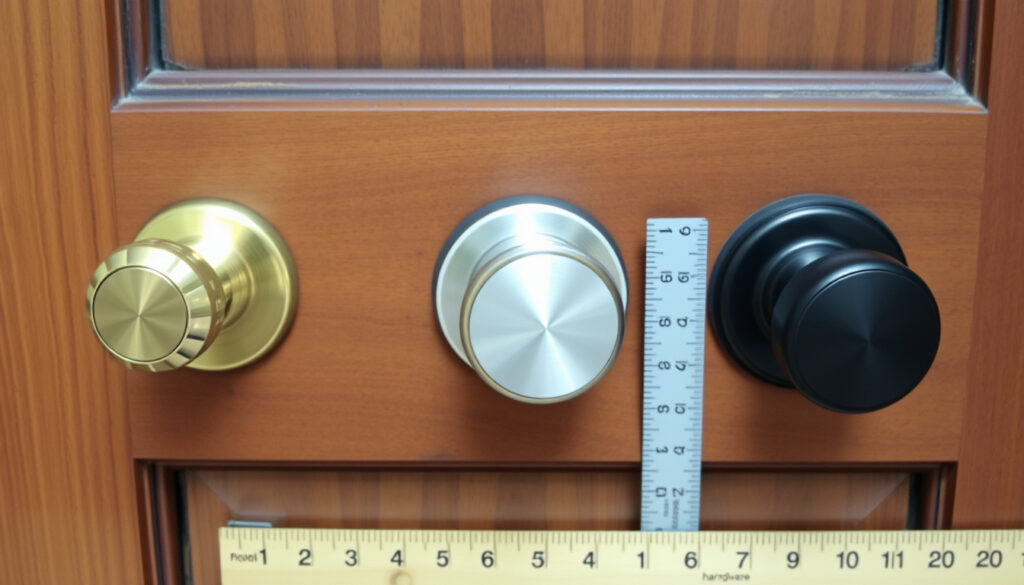
Door Knobs – The Complete Buyer’s Guide to Types, Materials & Sizing
Choosing the right door knob can transform the look and feel of a home, but with so many types, materials, and sizes available, the decision often feels overwhelming. Whether you are renovating a period property or fitting out a modern flat, understanding the differences between internal, external, and wardrobe knobs is essential. This guide breaks down the key factors—from solid brass durability to the precise measurement of backset—to help you make an informed purchase.
Door knobs are more than just functional hardware; they are a defining feature of a room’s character. In the UK, where many homes boast original Victorian or Georgian features, selecting the correct style can enhance both aesthetics and property value. This article provides a fact-based overview of the most common types, materials, and buying considerations for the British market.
What Are the Best Door Knobs for Internal, External, and Wardrobe Use?
Types by Location
Internal, external, wardrobe – each requires different features (locking, weather resistance, size).
Materials
Solid brass (durable, classic), wood (warm, traditional), ceramic, glass, and zinc alloys offer distinct aesthetics and longevity.
Size & Fit
Standard diameters range 50–60mm. Large knobs (60mm+) suit grand doors. Measure backset and spindle length.
Styles & Finishes
From Victorian porcelain to modern satin nickel. Choose based on period, existing hardware, and personal taste.
- Solid brass door knobs offer the best durability and tarnish resistance when lacquered; unlacquered brass develops a natural patina.
- Internal door knobs typically require no lock, but privacy knobs with push-button lock are popular for bathrooms and bedrooms.
- Wooden door knobs are less common for external use due to weather susceptibility unless treated.
- Large door knobs (60mm+) are often chosen for statement entry doors or period-style homes.
- Antique and reproduction door knobs remain popular, especially for Victorian and Georgian properties in the UK.
- Many British manufacturers still produce handcrafted, solid brass door knobs, supporting local craftsmanship.
| Feature | Details |
|---|---|
| Common diameters | 50mm (internal), 55mm (universal), 60mm+ (large) |
| Material longevity | Solid brass: 20+ years; wood: 10–15 years with care; zinc alloy: 5–10 years |
| Popular finishes | Polished brass, satin brass, antique brass, satin nickel, chrome, matte black |
| Typical price range (UK) | £8–£30 per knob (standard brass), £15–£60 (antique/reproduction), £30–£100+ (handcrafted solid brass) |
| Installation tools needed | Screwdriver, tape measure, drill (for new holes), spindle/backset gauge |
Internal Door Knobs
For internal doors, style and comfort are the primary concerns. Mortice knobs are the most common type in modern UK homes, fitting into a recess cut into the door. A standard internal knob diameter ranges from 35mm to 50mm. Wood or polished brass finishes often match period interiors well. It is important to ensure the backset matches your existing latch, which is usually 65mm.
External Door Knobs
External doors demand durability and security. Larger knobs, typically 50mm to 75mm in diameter, are preferred for heavy front doors. Polished brass treated for outdoor use or stainless steel are recommended materials. Avoid untreated wood or cheap chrome, which may tarnish quickly. Checking whether the knob is “reversible handing” can simplify installation on both left and right opening doors.
Wardrobe Knobs
Wardrobe and cupboard knobs are smaller, often 20mm to 30mm in diameter, and usually screw directly into a threaded hole without a latch mechanism. Materials such as ceramic, glass, wood, or brass are common. The fixing method must match the door thickness, often a simple screw-through or adhesive mount.
Most internal knobs lack weatherproofing and may rust or warp outdoors. However, some internal knobs made of solid brass or stainless steel can be used externally if they are designed with suitable coatings and locking mechanisms. Always verify the manufacturer’s specifications before installing an internal knob on an external door.
What Materials Are Best for Door Knobs: Brass, Wood, or Others?
Brass Door Knobs
Solid brass is widely regarded as the gold standard for door furniture. It is corrosion-resistant and works well for both internal and external use. Polished brass offers a warm, traditional look popular in Victorian and Georgian styles, while antique brass provides an aged, vintage appearance ideal for Art Deco and traditional decor. For exterior doors, ensure the brass is polished and treated for outdoor use to prevent tarnishing. As one manufacturer notes, “Solid brass remains the gold standard for durability and timeless style in door furniture.”
Wooden Door Knobs
Wooden knobs offer a natural, rustic look and were popular in Edwardian houses. They are generally good for internal doors but less durable for high-traffic external doors unless treated. Wood can warp or crack in humidity, so a clear sealant or wax should be applied periodically. They are best suited for interior, low-moisture areas.
Other Materials
Chrome and nickel finishes, including polished nickel and satin or brushed nickel, are sleek and popular in Art Deco and modern interiors. Stainless steel is durable, rust-proof, and budget-friendly, making it ideal for high-traffic areas like bathrooms and kitchens. Ceramic and glass knobs are decorative and often used in bathrooms or wardrobes. Pewter offers a subtle, vintage touch, while oil-rubbed bronze provides a dark, aged look that changes over time.
Solid brass door knobs can last 20 years or more with proper care. Wooden knobs typically last 10–15 years if maintained, while zinc alloy knobs may last only 5–10 years. The choice often comes down to aesthetic preference and the specific environment where the knob will be used.
When Should You Choose Large Door Knobs?
Large door knobs, typically 60mm or more in diameter, are often chosen for statement entry doors or period-style homes. They provide a better grip and can be easier to operate, especially for elderly or disabled users. However, they may not fit standard door backset distances, so measuring before buying is essential. For a standard modern door measuring 1980mm x 760mm, a 50mm knob is usually ideal, but larger knobs can be used on grander doors.
How to Choose the Perfect Door Knob for Your Home – A Complete Buyer’s Guide
Where to Buy Quality Door Knobs in the UK
Several UK suppliers offer a wide range of door knobs. Hiatt Hardware, for example, advertises next day delivery on over 120 door knobs, which is useful for urgent projects. Willow & Stone focuses on period and antique styles, while Denleigh emphasises British manufacturing and handcrafting. More Handles offers a large selection of finishes and styles. It is worth comparing prices and checking for British-made options if quality and local production are priorities.
Finishes Available
Popular finishes include polished brass, satin brass, antique brass, satin nickel, chrome, and matte black. The choice should complement existing hardware such as hinges, letterplates, and light switches. For a cohesive look, match the finish of your door knobs to other metal fixtures in the room.
Antique vs Contemporary Styles
Antique and reproduction door knobs remain popular, especially for Victorian and Georgian properties in the UK. As one retailer states, “Antique door knobs bring character and authenticity to period homes.” Contemporary styles, on the other hand, favour sleek, minimalist designs with straight lines and simple backplates. The choice depends largely on the architecture of your home.
Installation Considerations
Before installation, measure the door thickness (standard is 44mm), the backset (44mm or 65mm), and the case depth (64mm or 76mm). The British Standard for door hardware is BS EN 1906:2012, which classifies knobs by grade of use. For fire doors, door knobs must be fire-rated and compliant with Building Regulations (Part B). Lever handles are often preferred over knobs for fire doors because they are easier to operate.
For fire doors, door knobs must be fire-rated and compliant with UK Building Regulations (Part B). Lever handles are often preferred for accessibility. Additionally, external door knobs may need to meet security standards such as Secured by Design. Always check local regulations before purchasing.
A Brief Timeline of Door Knob Styles
- Georgian (1714–1830): Simple brass knobs, often oval, with rose backplates.
- Victorian (1837–1901): Ornate designs, porcelain and glass knobs, often with brass details.
- Edwardian (1901–1910): Transition to simpler, more refined brass and ceramic knobs.
- Art Deco (1920s–1930s): Geometric shapes, chrome and bakelite materials.
- Mid-century Modern (1940s–1960s): Sleek, minimalist knobs, often with satin or brushed finishes.
- Contemporary (1990s–Present): Wide variety: brushed nickel, matte black, smart knobs with keyless entry.
Certainty vs Uncertainty: Common Door Knob Myths Clarified
| Claim | Established Information | What Remains Unclear |
|---|---|---|
| Brass door knobs are always better than wooden ones. | Solid brass is generally more durable and corrosion-resistant, making it ideal for high-use doors. | Wooden knobs can be equally long-lasting if properly sealed and used in non-humid environments. Preference is often aesthetic. |
| You cannot use internal door knobs on external doors. | Most internal knobs lack weatherproofing and may rust or warp outdoors. | Some internal knobs made of solid brass or stainless steel can be used externally if they are designed with suitable coatings and locking mechanisms. |
| Large door knobs are only for aesthetic purposes. | They provide a better grip and can be easier to operate, especially for elderly or disabled users. | They may not fit standard door backset distances; always measure before buying. |
| Antique door knobs are always of higher quality than modern reproductions. | Many antique knobs were made from solid brass or bronze and have survived decades of use. | Modern reproductions often use better corrosion protection and may be more consistent in size and finish. |
Analysis and Context: Door Knobs in the UK Market
Several UK suppliers, such as Denleigh, emphasise British manufacturing and handcrafting. This reflects a growing consumer preference for local, ethical production and higher quality control. Solid brass UK-made knobs typically use better alloys and tighter tolerances than imported alternatives. In the UK, many homes retain original period features, and choosing a door knob that matches the era—such as porcelain for Victorian or brass for Georgian—can significantly enhance property value and aesthetic coherence. Contemporary homes, on the other hand, favour minimalist or industrial finishes.
For fire doors, door knobs must be fire-rated and compliant with Building Regulations (Part B). Lever handles are often preferred over knobs for fire doors because they are easier to operate. Additionally, external door knobs may need to meet security standards such as Secured by Design. The British Standard for door hardware is BS EN 1906:2012, which classifies knobs by grade of use.
Sources and Expert Quotes
“Solid brass remains the gold standard for durability and timeless style in door furniture.”
— Denleigh Craftsmanship
“Antique door knobs bring character and authenticity to period homes.”
— Willow & Stone
“Next day delivery available on over 120 door knobs – perfect for urgent projects.”
— Hiatt Hardware
Summary: Key Takeaways for Your Door Knob Purchase
Choosing the right door knob involves balancing style, material, size, and location. Solid brass remains the most durable and timeless option, while wood offers a warm, traditional look for interiors. Always measure the backset and door thickness before purchasing, and consider the specific requirements of internal, external, and wardrobe doors. For period properties, matching the knob style to the era can enhance both aesthetics and value. For more home improvement inspiration, explore our guide on Magnet Kitchens Near Me – Find Your Local Showroom Today.
Frequently Asked Questions
How do I measure a door knob backset?
The backset is the distance from the edge of the door to the centre of the spindle hole. Common backsets are 44mm, 57mm, and 70mm. Measure from the door edge to the existing hole centre.
Are door knobs suitable for fire doors?
Yes, but they must be fire-rated (usually marked with a stamp). Lever handles are often required for accessibility. Check your local building regulations.
How do I clean brass door knobs?
For lacquered brass, wipe with a damp cloth. For unlacquered brass, use a brass cleaner (e.g., Brasso) and polish gently. Avoid abrasive pads.
What is the difference between a door knob and a door handle?
A door knob is a round or oval handle that must be twisted to retract the latch. A lever handle is a long bar that is pushed down. Knobs are more traditional, levers are easier for accessibility.
Can I replace a door knob without changing the latch?
Often yes, if the spindle size (commonly 8mm or 10mm square) and backset match. However, it’s recommended to replace the latch if it’s worn or incompatible.
What finish is most durable for external door knobs?
Satin stainless steel or powder-coated black are very weather-resistant. Satin nickel and chrome are also good. Avoid polished brass outdoors unless it’s lacquered.
Do wooden door knobs require special maintenance?
Yes. Wood can warp or crack in humidity. Apply a clear sealant or wax periodically. Use only in interior, low-moisture areas.
More related posts
 Lucy Connolly – Jailed for Inciting Racial Hatred After Southport Murders
 ADHD in Women Symptoms – Signs, Diagnosis and Lifespan Guide
 Seth Rogan – Net Worth Movies and Career in 2025
 Skin Cancer on Nose – Symptoms, Treatment, Survival Rates
 Nicola Walker – Biography, TV Shows, and Personal Life
 Ronnie James Dio – Biography, Cause of Death and Lasting Legacy
 James Gunn – Biography, Movies, DC Studios & Superman 2025
 Jet Ski – UK Buyer’s Guide for 2025 Prices Brands & Legal
