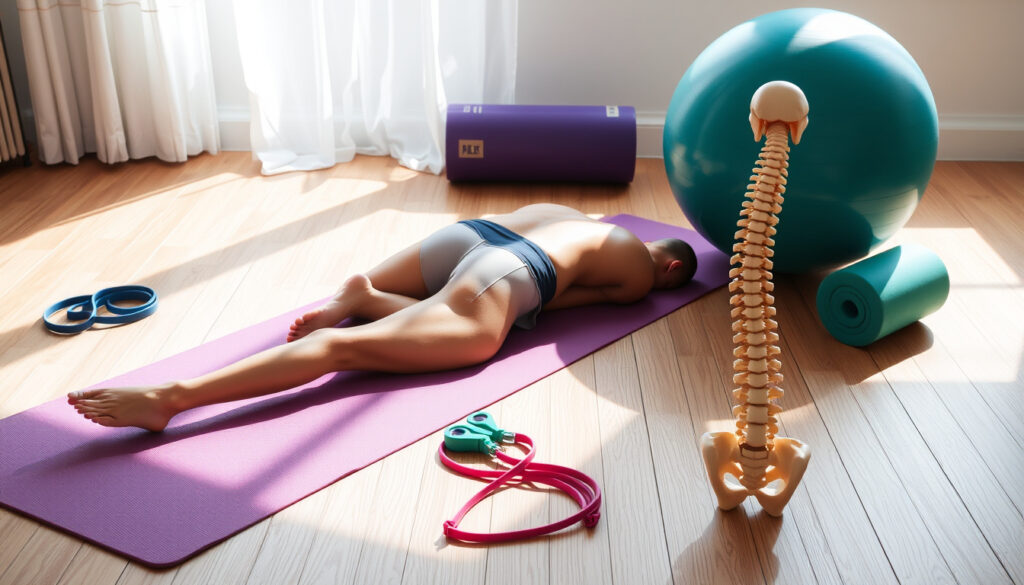
Lower Back Pain Exercises – Proven Routines for Relief
Lower back pain affects millions of people worldwide, and targeted exercises remain one of the most effective ways to manage discomfort and strengthen the supporting musculature. Research from institutions such as the Mayo Clinic, Hospital for Special Surgery, and the British Heart Foundation consistently points to gentle stretches, core strengthening, and mobility work as cornerstone interventions for those experiencing lower back issues.
Whether you are looking to address acute discomfort, prevent future episodes, or simply improve your spinal health, understanding which exercises to perform—and how to perform them correctly—can make a significant difference. This guide draws on established medical guidance to provide a comprehensive overview of exercises suitable for various settings, from the living room floor to the gym equipment area.
It is important to note that while many exercises offer benefits, individual circumstances vary considerably. Consulting a healthcare provider before beginning any new exercise regimen is strongly recommended, particularly if pain is severe, recent, or accompanied by other symptoms.
Best Exercises for Lower Back Pain
Medical sources emphasize that no single exercise provides a universal solution for lower back pain. Instead, a combination of stretches and strengthening routines tends to yield the best results. According to the NHS Inform, targeted exercises work by improving spinal mobility, reducing muscle tension, and building support around the lumbar region.
Quick-Relief Options
Lie on back, pull one or both knees toward chest. Hold 15–30 seconds.
Roll knees side to side while keeping shoulders flat. Hold 5–10 seconds.
Kneel, sit back on heels, extend arms forward. Relax the lower back.
Lie on back, lift hips to form a straight line from shoulders to knees.
Key Insights from Medical Guidance
- Stretching exercises such as knee rolls and pelvic tilts help release tension in the lower back, hips, and glutes
- Core strengthening through exercises like the bridge and bird dog builds stability around the spine
- Most routines can be completed in 10–15 minutes and performed daily
- Starting with lower repetitions—such as 5 reps—allows the body to adapt gradually
- All recommended stretches and strengthening moves can be performed at home without equipment
- Frequency of 1–2 times daily, ideally morning and evening, is commonly suggested
- Exercise often helps, but only when performed correctly and without causing additional pain
Exercise Overview
| Exercise | Target Area | Duration / Reps | Equipment |
|---|---|---|---|
| Knee to Chest | Lower back, glutes | 15–30 seconds, 2–5 times | None |
| Lower Back Rotational Stretch | Lumbar spine, hips | 5–10 seconds, 2–3 per side | None |
| Bridge (Pelvic Lift) | Glutes, core, lower back | 8–12 reps or 5–10 second hold | None |
| Bird Dog | Core, lower back stability | 8–12 per side | None |
| Draw-In (Lower Back Flexibility) | Abdominals, lumbar support | 5–30 reps, 5-second hold | None |
| Partial Curl-Up | Core endurance | 8–12 reps | None |
| Back Press | Lower back, abdominals | 8–12 reps, 6-second hold | Wall |
Results from reputable sources including the Mayo Clinic, Hospital for Special Surgery, Cedars-Sinai, and the British Heart Foundation show strong agreement on these low-risk exercise options. Individual responses vary, and professional assessment is recommended for persistent or worsening pain.
Lower Back Pain Exercises at Home
One of the primary advantages of most lower back exercises is their accessibility. According to the Mayo Clinic, all recommended stretches and strengthening routines can be performed without any equipment, making them ideal for home practice.
Recommended Stretches for Home Practice
The knee-to-chest stretch remains one of the most accessible options. Lie on your back with knees bent and feet flat on the floor. Gently pull one knee toward your chest, holding for 15 to 30 seconds. Alternate between sides, or bring both knees toward the chest for a double-knee variation. This movement helps release tension in the lower back, glutes, and hamstrings.
The lower back rotational stretch—sometimes called knee rolls—involves keeping your shoulders flat while allowing your knees to fall gently to one side. Hold for five to ten seconds, then return to center and repeat on the opposite side. The British Heart Foundation recommends this as part of their suggested 15-minute workout routine.
Child’s pose provides a gentle way to stretch the lower back. Kneel on the floor, sit back onto your heels, and extend your arms forward along the ground. Allow your chest to sink toward the floor while keeping your glutes relaxed. Hold the position for as long as feels comfortable.
Strengthening Moves for Home
The bridge exercise targets the glutes and core while providing a mild stretch to the lower back. Lying on your back with knees bent, squeeze your glutes and core to lift your hips until your body forms a straight line from shoulders to knees. Hold briefly, then lower with control. According to the Hospital for Special Surgery, this movement helps build stability around the lumbar spine.
The bird dog exercise develops balance and core coordination. Begin on all fours. Extend your opposite arm and leg simultaneously, holding briefly to maintain balance before switching sides. This functional movement engages the muscles that support the spine during everyday activities.
Sample Home Routine
A simple daily routine might include the following sequence: knee rolls, a piriformis stretch, child’s pose, the bridge exercise, and the bird dog. Completing this circuit once or twice per day—ideally in the morning and evening—provides consistent stimulus for improving spinal health. Many practitioners recommend starting with reduced repetitions, such as five reps per exercise, and building from there.
Begin with a shorter routine of 5 reps per exercise and gradually increase as your body adapts. If any movement causes sharp or worsening pain, stop immediately and consult a healthcare professional.
Lower Back Exercises for the Gym
Gym environments offer additional options for those who prefer standing or seated variations, and they provide access to equipment that can support more advanced routines. The British Heart Foundation outlines several gym-compatible movements that target the same muscle groups as floor-based exercises.
Standing and Seated Movements
The standing trunk rotation involves standing with your legs apart and either crossing your arms at chest level or extending them to the sides. Rotate your upper body from side to side, ensuring your hips remain facing forward. The British Heart Foundation recommends performing ten repetitions per side. This movement improves rotational mobility in the thoracic and lumbar spine.
Seated good mornings require a firm chair. Sit with your feet placed wide apart, keep your back straight, and hinge forward at the hips to lower your hands toward the floor. The movement engages the posterior chain while maintaining a neutral spine position.
The upward facing dog pose can be performed on a gym floor or mat. Lie face-down with your hands positioned under your shoulders. Press through your hands to lift your chest while engaging your core to arch the back. This pose strengthens the extensor muscles along the spine.
Using Gym Equipment Safely
When incorporating gym equipment such as resistance bands, light dumbbells, or cable machines, prioritize controlled movements over heavy loads. High-impact exercises or heavy lifting may aggravate existing back issues. Focus on low-load, high-repetition work that emphasizes proper form and muscle engagement rather than maximum resistance.
For those who attend fitness classes, options like yoga, Pilates, and structured programmes such as Les Mills workouts often include movements that support lower back health. These formats provide structured guidance while allowing modifications for different fitness levels.
Physiotherapy Exercises for Lower Back Pain
Physiotherapy interventions often combine the exercises described above with professional assessment and tailored protocols. A physiotherapist may recommend specific movements based on individual assessment findings, movement patterns, and pain presentations.
Core Stabilization Approaches
Many physiotherapy programmes emphasize core stabilization, which involves activating the deep abdominal muscles to create a stable base for spinal movement. The draw-in exercise—sometimes called abdominal bracing—involves tightening the abdominal muscles to press your lower back flat against the floor while lying with knees bent. Hold for approximately five seconds. The Mayo Clinic cites this as a fundamental flexibility exercise for lower back care.
Partial curl-ups develop endurance in the abdominal wall. Lying on your back with knees bent, slightly raise your head and shoulders while keeping your hands positioned behind your head or at your sides. The movement should be controlled, focusing on abdominal engagement rather than momentum.
Integrated Treatment Protocols
Physiotherapy sessions may also incorporate manual therapy, posture education, and activity modification advice alongside exercise prescription. The goal is typically to address underlying biomechanical issues, improve movement quality, and build resilience against future episodes.
For those without immediate access to a physiotherapist, following established exercise protocols—such as those outlined by the Mayo Clinic or Hospital for Special Surgery—can provide a solid foundation. These protocols typically include daily practice, gradual progression, and attention to pain responses during and after exercise.
If lower back pain is severe, persistent, or accompanied by symptoms such as numbness, tingling, or weakness in the legs, seek professional medical evaluation before beginning any exercise programme.
Lower Back Pain Exercises to Approach with Caution
While most of the exercises discussed here carry low risk when performed correctly, certain considerations apply. The Mayo Clinic and Cedars-Sinai both emphasize that exercises should never cause or increase pain. If a particular movement exacerbates symptoms, it should be discontinued immediately.
Exercises That May Aggravate Conditions
High-impact activities such as jumping, running on hard surfaces, or high-intensity plyometric movements may place excessive stress on the lumbar spine. Heavy compound lifts—such as barbell squats or deadlifts performed without proper technique and progressive loading—can similarly risk aggravating existing issues.
Deep spinal flexion movements, where the spine is bent forward significantly—such as full sit-ups with straight legs or toe-touch exercises—may increase disc pressure in some individuals. Controlled, low-load alternatives typically prove safer for general lower back care.
General Precautions
Focus on controlled movements with proper breathing throughout each repetition. Avoid holding your breath during exertion, as this can increase intra-abdominal pressure. If you are new to exercise, work with lower repetitions initially and prioritize quality over quantity.
For those considering purchasing equipment to support home exercises—such as exercise mats, stability balls, or ergonomic furniture—researching options that promote proper spinal alignment can be beneficial. Understanding proper sleep support through a suitable mattress guide may also contribute to overall spinal health management.
Understanding Lower Back Pain and Exercise Benefits
Lower back pain can result from various factors, including muscle strain, ligament sprain, disc issues, poor posture, and sedentary lifestyle patterns. The lower back—lumbar region—bears significant loads during daily activities and is particularly vulnerable to stress from prolonged sitting, improper lifting, and repetitive movements.
Exercise helps address these issues through several mechanisms. Stretching releases muscular tension that may be pulling on the spine or creating imbalances. Strengthening builds support around the lumbar vertebrae, reducing the load borne by passive structures such as discs and ligaments. Mobility work improves the spine’s ability to move through its natural range without restriction or pain.
Research indicates that remaining active—rather than adopting prolonged bed rest—is generally beneficial for lower back recovery. The NHS recommends activities such as walking, swimming, and yoga as ways to maintain movement while the underlying issue resolves. The exercises described in this guide complement these broader activity recommendations.
Demographic Considerations
Cedars-Sinai notes that no significant gender-specific differences exist in the types of exercises recommended for lower back pain. The same stretching and strengthening principles apply to both men and women, though individual adaptations may be necessary based on fitness level, body composition, and specific pain patterns.
Sources and Expert Recommendations
“Exercise often helps back pain. A personalized program — one that is tailored to your symptoms and condition — usually includes a combination of strengthening, stretching, and aerobic activity.”
— Mayo Clinic, Healthy Lifestyle: Adult Health
The recommendations in this guide draw from several respected medical institutions. The Mayo Clinic provides detailed exercise protocols and emphasizes the importance of consistency. NHS Inform offers structured guidance suitable for general audiences. The British Heart Foundation supplies video-supported workout routines and clear instructions for movement execution.
The Hospital for Special Surgery and Cedars-Sinai add physiotherapy perspectives and clinical expertise to the exercise recommendations, ensuring a well-rounded approach that addresses both immediate symptom relief and long-term spinal health.
Summary and Recommendations
Managing lower back pain effectively requires a combination of appropriate stretches, targeted strengthening, and sensible activity modification. The exercises outlined in this guide—spanning movements suitable for home practice, gym environments, and physiotherapy settings—represent consensus approaches from leading medical sources.
Start conservatively, focus on proper form, and progress gradually as your body adapts. If pain persists beyond several weeks of consistent exercise practice, or if any movement causes sharp or worsening symptoms, consult a healthcare professional for personalized assessment and guidance.
Frequently Asked Questions
What is the single best exercise for lower back pain?
No single exercise is universally identified as the best option. Medical sources consistently state that combinations of stretches and strengthening exercises work better than any single movement. A programme including knee rolls, bridges, and bird dog exercises provides a balanced approach.
How often should I perform lower back exercises?
Most guidelines recommend performing exercises once or twice daily, ideally in the morning and evening. Starting with reduced repetitions—such as five per exercise—and gradually increasing as tolerated is a sensible approach.
Are there specific lower back pain exercises for men?
Medical sources indicate no significant gender-specific differences in exercise recommendations. The same stretches and strengthening movements apply to both men and women, with individual modifications based on fitness level and specific conditions.
Are there specific lower back pain exercises for women?
As with men, the foundational exercises for lower back pain remain consistent across genders. Women may consider factors such as postpartum recovery or menstrual-related discomfort when selecting and progressing exercises, but the core recommendations remain unchanged.
Can I download a lower back exercises PDF?
While direct PDF downloads are not available from the sources cited, the exercise descriptions in this guide provide sufficient detail to create a personal programme. Reputable health websites also offer printable guides as part of their patient education materials.
What exercises should I avoid with lower back pain?
High-impact activities, heavy compound lifts performed with poor technique, and deep spinal flexion movements may aggravate lower back conditions. Focus on controlled, low-load exercises and discontinue any movement that causes pain.
Can lower back exercises provide quick relief?
Some targeted stretches may provide temporary relief within seconds to minutes by releasing muscular tension. However, lasting improvement typically requires consistent practice over days to weeks, combined with activity modification and proper body mechanics.
Do I need equipment for lower back pain exercises?
No equipment is required. All the exercises described can be performed on a floor mat using only your body weight. Optional items such as yoga mats or exercise balls may enhance comfort but are not essential.
More related posts
 Zara Tindall – Biography, Children, Net Worth and Olympics
 Sheridan Smith – Age, Biography, Career and Family Life in 2025
 Kate Robbins – Biography, Family, TV Shows and Career Facts
 Brooks Koepka – Five-Time Major Champion and Career Profile 2025
 British Airways Business Class – 2025 Review Seats Food Value
 Ralph Lauren T Shirt – Styles Prices and UK Buying Guide
 Ghost of Tsushima PS5 – Upgrade Paths, Prices and Features Guide
 Tamzin Outhwaite – Partner, Children and Career in 2024
