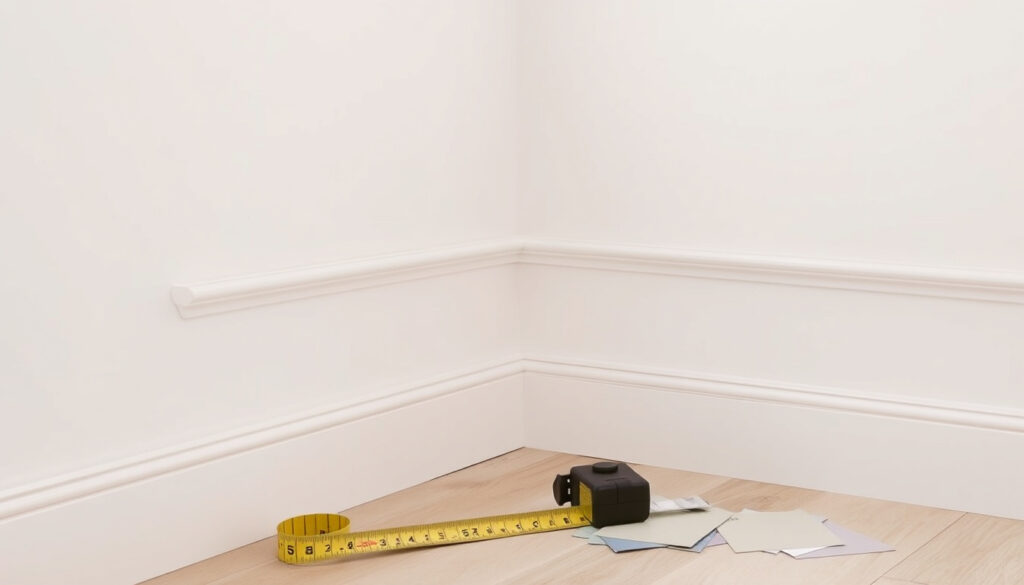
Skirting Board – Complete UK Buying Guide for Materials & Profiles
Choosing the right skirting board for a home improvement project involves more than picking a style. The material, profile, size, and supplier all affect the final look, the ease of installation, and the total cost. This guide compares the most common options available in the UK and explains what to consider before ordering.
Skirting boards serve both a practical and decorative purpose. They protect the base of walls from scuffs and damage while also providing a clean transition between the wall and floor. In the UK, the market is dominated by MDF, with solid oak and PVC also holding significant shares. Understanding the differences between these materials is the first step toward making an informed purchase.
This article covers the most popular materials, the profiles that suit different home styles, where to buy, and what prices to expect. It draws on current product ranges from major retailers and specialist suppliers across the UK.
What Is the Best Material for Skirting Boards (MDF vs Solid Wood vs Plastic)?
MDF, Pine, Oak, and PVC compared for cost, durability, and finish.
Ogee, Torus, Bullnose, and Lambs Tongue explained with typical uses.
Measure your room, choose a profile, select a material, and order.
Tools needed, cutting methods, and fixing techniques for DIY fitting.
Key Insights
- MDF is the most popular material in the UK for its cost-effectiveness, smooth finish, and paintability.
- Ogee is the most requested profile for period homes, while Torus suits modern interiors.
- Standard lengths are typically 2.4 m or 5 m, but specialist cut-to-size services are available.
- Buying from specialist online retailers such as Skirting 4 U or Skirting World often provides better value for premium profiles than B&Q or Wickes.
- Solid oak is significantly more expensive and is usually sold as a premium hardwood option, with prices ranging from about £7.49 + VAT per metre to £11.00 per metre inc VAT.
- Moisture-resistant MDF is commonly recommended for standard domestic installations in kitchens and bathrooms.
Skirting Board Specifications at a Glance
| Specification | Typical Detail |
|---|---|
| Common Height Range | 70 mm – 300 mm |
| Standard Lengths | 2.4 m or 5 m |
| Primary Materials | MDF, Pine, Oak, PVC |
| Popular Profiles | Ogee, Torus, Bullnose |
| Average Cost (MDF 150 mm) | £2 – £4 per metre |
| Retail Leaders | Skirting 4 U, Skirting World, B&Q, Wickes |
MDF Skirting Boards: Pros, Cons & Painting Guide
MDF is repeatedly presented as the value choice because it is cheaper, widely available, and often pre-primed, which reduces preparation time. Several suppliers describe MDF as cost-effective and moisture-resistant, with common profiles such as Torus, Ogee, and Bullnose widely available in primed form. MDF usually comes primed and sanded, so it needs less prep and is faster to finish. Moisture-resistant MDF is commonly recommended for standard domestic installations because it is durable, smooth, and easy to paint.
Solid Oak & Pine: Natural Wood Options
Solid oak is positioned as a premium option for natural wood appearance, staining, and higher-end interiors. Prices from suppliers range from about £7.49 + VAT per metre to £11.00 per metre inc VAT, depending on supplier and specification. Solid oak can be delivered unfinished, primed, painted, or lacquered depending on the supplier, which affects finishing time and cost. Some suppliers also offer oak veneer as a middle ground that is cheaper than solid oak but with a real wood face.
Plastic (PVC) Skirting for Wet Areas
PVC skirting boards are available at retailers such as Wickes, which offers a range of skirting boards from pine to plastic that require minimal maintenance. Plastic skirting is typically used in bathrooms, kitchens, and other high-moisture areas where water resistance is a priority.
Where Can I Buy Skirting Boards in the UK (Screwfix, B&Q, Wickes, Online Specialists)?
The UK market for skirting boards is split between large national retailers and specialist online suppliers. Each channel offers different advantages in terms of price, range, and convenience. For instance, the selection at B&Q focuses on primed MDF and pine, while Wickes offers both MDF and plastic options. For a wider choice, many homeowners turn to online specialists, as highlighted in our Bar Stools – Best UK Picks for Kitchen Island & Comfort 2025 guide, which similarly compares high-street and specialist retailers.
Price Comparison: B&Q vs Wickes vs Screwfix vs Specialists
Wickes lists its MDF and plastic skirting boards at around £6.90 per metre on its category page. B&Q stocks primed MDF and pine skirting, though per-metre prices are not always listed on the category page. Among specialist suppliers, Champion Timber offers primed MDF rounded skirting at £6.09 per metre, while its Torus and Ogee profiles range from £7.25 to £11.78 per metre depending on size. Harlow Bros shows MDF Bullnose skirting at £2.97 per metre on sale, with other profiles from £1.74 to £2.97 per metre. For solid oak, British Hardwoods lists prices from £11.00 per metre inc VAT, and UK Timber offers solid European oak from £7.49 + VAT.
Prices for the same material and profile can differ significantly between suppliers. A 150 mm MDF Ogee profile might cost under £3 per metre at one specialist and over £7 at another. Always compare prices per metre for your exact chosen profile and length before ordering.
Online Retailers (Skirting 4 U, Skirting World, Skirting Boards Direct)
Specialist online retailers offer a wider selection of profiles and materials than most high-street stores. Skirting World supplies moisture-resistant MDF and softwood pine with nationwide delivery. Skirting 4 U states it offers high quality MDF and solid oak skirting boards in a wide range of profiles. Skirting Boards Direct positions itself as a UK manufacturer with a large stock. These specialists often provide better value for premium profiles and unusual sizes.
Buying in Bulk: Discounts and Delivery Options
Many suppliers offer tiered pricing for bulk orders. Trade accounts are available at several specialist retailers, and some offer free delivery on orders above a certain value. It is worth checking delivery costs and lead times when comparing prices, as these can vary substantially between suppliers.
What Are the Most Popular Skirting Board Profiles (Ogee, Torus, Bullnose)?
The profile of a skirting board determines its visual appearance and how it fits with the architectural style of a room. Three profiles dominate the UK market: Ogee, Torus, and Bullnose.
Ogee Profile: The Classic UK Choice
Ogee has an S-shaped decorative profile. It is often chosen for period homes and traditional interiors because of its ornate, classic appearance. The profile features a series of curves and ridges that catch light and add visual interest. It is the most requested profile for Victorian and Edwardian properties.
Torus Profile: Modern and Simple
Torus is a rounded profile with a semicircular curve. It is often considered traditional but simple, and it suits modern interiors where a clean, understated look is desired. The rounded top edge makes it easy to paint and maintain.
Bullnose, Lambs Tongue, and Chamfer: A Quick Guide
Bullnose is a plain rounded top profile with a minimal look. It works well in contemporary spaces and is often used in combination with modern flooring. Lambs Tongue features a curved, tongue-like shape that is common in Victorian and Edwardian homes. Chamfer is a simple angled cut that gives a clean, sharp line suitable for minimalist interiors.
For a period property, Ogee or Lambs Tongue will match existing architectural details. For a modern apartment or extension, Torus or Bullnose provides a cleaner, more contemporary finish. If you are unsure, a simple Torus profile is the most versatile choice for most UK homes.
How to Choose a Profile Based on Your Room Style
The profile should complement the room’s overall design. In a living room with high ceilings and cornice detailing, a taller Ogee profile balances the proportions. In a hallway with limited space, a smaller Bullnose or Torus avoids overwhelming the narrow corridor. The choice of profile also affects the perceived height of the room.
How Do I Choose the Right Height and Length for Skirting Boards?
Selecting the correct height and length is essential for achieving a balanced look and avoiding unnecessary waste. The dimensions of a skirting board should relate to the proportions of the room and the ceiling height.
Standard Skirting Board Heights (100 mm – 300 mm+)
Common heights range from 70 mm to 300 mm. For a standard room with 2.4 m ceilings, a skirting board of 100 mm to 150 mm is typical. Rooms with higher ceilings often benefit from taller skirting boards, with 200 mm or more used in grander spaces.
Matching Skirting Height to Room Proportions
As a general rule, the skirting height should be roughly proportional to the ceiling height. A room with a 2.7 m ceiling might suit a 180 mm board, while a 3 m ceiling might call for 250 mm or taller. The width of the room also matters: wider rooms can accommodate taller skirting without looking out of scale.
Always measure the full perimeter of the room at floor level, then add 10% for waste and cutting errors. Standard lengths are 2.4 m or 5 m, but some suppliers offer cut-to-size services. Measure twice before ordering to avoid costly returns or delays.
Calculating How Much Skirting You Need
To calculate the total length required, measure the perimeter of the room in metres, subtract the width of doorways, and add 10% for waste. For a typical 4 m x 5 m living room with one door, the total required is roughly 17 m of skirting. Ordering in standard 5 m lengths usually works out more economical than custom sizes.
How to Plan Your Skirting Board Buying Journey
The process of buying and installing skirting boards follows a logical sequence. Planning each step in advance helps avoid mistakes and ensures the finished result meets expectations.
- Measure the room – Calculate the perimeter at floor level, subtract door openings, and add 10% for waste.
- Choose a profile – Decide on Ogee, Torus, Bullnose, or another style based on the room’s architecture and your personal preference.
- Select the material – Compare MDF, solid oak, pine, and PVC based on budget, location, and desired finish.
- Order or collect – Compare prices per metre across suppliers, check delivery costs, and place the order.
- Cut and install – Use a mitre saw for corners, fix with adhesive or nails, and fill any gaps before painting or finishing.
Are MDF Skirting Boards Better Than Pine?
This is one of the most common questions among UK buyers, and the answer depends on the specific requirements of the project.
Established Information
- MDF is cheaper, smoother, and will not warp easily. It is better for painted finishes because it has no grain.
- MDF is the most common material for modern skirting boards in the UK, according to retailer product volumes.
- Ogee and Torus are the two most popular profiles sold by UK specialists such as Skirting 4 U and Skirting World.
- Pine is more durable and offers a natural wood grain finish, but requires more preparation for painting.
Information That Remains Unclear
- Pricing can vary significantly between retailers and by profile complexity. Users should always compare prices per metre for their specific chosen profile.
- The best material choice depends on the room. MDF is suitable for dry areas, PVC for wet areas, and wood for a natural wood finish. There is no single best material.
- Long-term durability comparisons between MDF and pine in the same installation conditions are not consistently documented across suppliers.
Why MDF Dominates the UK Skirting Board Market
MDF became the dominant material for skirting boards in the UK during the 2000s and has maintained that position. Its rise is largely due to cost: MDF is significantly cheaper than solid wood, both in raw material cost and in finishing time. MDF boards come pre-primed and sanded, which reduces the preparation work needed before painting.
The cost-versus-aesthetics trade-off is a key factor. MDF takes paint well and provides a smooth, uniform finish that suits modern interiors. Solid wood, by contrast, offers a natural grain that many homeowners prefer for staining or varnishing, but at a higher price and with more installation complexity. For those considering other home furnishing upgrades, our Jeans Woman – Top UK Brands, Styles & Buying Guide 2025 article similarly weighs cost and quality in a different product category.
Online specialists have grown alongside the MDF market. Retailers such as Skirting 4 U, Skirting World, and Skirting Boards Direct now offer a wider range of MDF profiles and sizes than most big-box stores. The trend toward primed and ready-to-paint MDF boards continues to grow, driven by DIY homeowners who want a faster, simpler installation process.
What Retailers and Suppliers Say About Their Skirting Board Ranges
Retailer descriptions provide insight into how skirting boards are positioned in the market. These statements reflect the range of materials and profiles available to UK buyers.
“We offer high quality MDF and solid oak skirting boards in a wide range of profiles.”
— Skirting 4 U
“We offer a wide range of skirting boards, from pine to plastic, that require minimal maintenance.”
— Wickes
These quotes illustrate the different approaches taken by specialist and generalist retailers. Specialists tend to emphasise range and material quality, while national retailers highlight convenience and low maintenance.
Which Skirting Board Should You Choose?
The right skirting board for your home depends on your budget, the room’s style, and your willingness to prepare and finish the material. For most UK homes, primed MDF in a Torus or Ogee profile offers the best balance of cost, appearance, and ease of installation. If you want a natural timber finish and are prepared to invest more, solid oak provides a premium look that can be stained or lacquered. For wet areas such as bathrooms, PVC or moisture-resistant MDF is the most practical choice. Before making a final decision, compare prices per metre at several suppliers, including both national retailers and online specialists, to ensure you are getting the best value for your chosen profile and material.
For more home improvement buying guides, see our article on Bar Stools – Best UK Picks for Kitchen Island & Comfort 2025 and Jeans Woman – Top UK Brands, Styles & Buying Guide 2025.
Frequently Asked Questions About Skirting Boards
Do Wickes or B&Q offer MDF or plastic skirting boards?
Yes. B&Q stocks primed MDF and pine skirting. Wickes offers MDF, pine, and plastic options in standard profiles. For a wider range of profiles and materials, specialist online retailers like Skirting 4 U or Skirting World are recommended.
Can I use skirting board covers to hide cables or damage?
Yes. Easyclip and skirting trunking systems are designed to hide TV or network cables. They can also be used to cover damaged lower sections of existing skirting without full replacement.
What is the standard length of a skirting board?
Standard lengths are 2.4 metres (8 ft) and 5 metres (16 ft). Some retailers also offer cut-to-size or custom lengths.
What is the difference between Ogee and Torus skirting?
Ogee has a classic S-curve profile with decorative ridges, ideal for period homes. Torus is a simpler, rounded profile that suits modern, minimalist interiors.
Are MDF skirting boards better than pine?
MDF is cheaper, smoother, and will not warp easily. Pine is more durable and offers a wood grain finish, but requires more preparation for painting. MDF is better for painted finishes; pine is for natural or varnished looks.
What height skirting board should I choose for high ceilings?
For ceilings above 2.7 m, a skirting board of 180 mm or taller is recommended. For ceilings of 3 m or more, heights of 250 mm to 300 mm are often used to maintain proportional balance.
Can I install skirting boards myself?
Yes, with basic tools such as a mitre saw, tape measure, adhesive, and filler. Cutting internal and external corners correctly is the most challenging part for beginners.
What is the cheapest skirting board material?
MDF is generally the cheapest material. Prices can start at around £1.74 per metre for basic profiles from discount suppliers, while primed MDF from national retailers typically costs £6 to £7 per metre.
Where can I buy solid oak skirting boards in the UK?
Solid oak skirting is available from British Hardwoods, UK Timber, and Ecohardwood, as well as from specialist retailers such as Skirting 4 U. Prices range from about £7.49 + VAT to £11.00 per metre inc VAT.
How do I paint a primed MDF skirting board?
Lightly sand the primed surface, wipe clean, and apply one coat of primer if needed, followed by two coats of water-based satin or gloss paint. Allow adequate drying time between coats.
More related posts
 Book Ending – Types, Best Lines, Writing Tips & Spoilers
 Emma Kenny – Media Psychologist and Crime Commentator
 Fra Fee – Northern Irish Actor’s Biography and Career
 Blade 6 Triple Core – Review, Comparisons and Value Guide
 Tracy Morgan – Biography, Net Worth, Accident and 2025 Update
 Roland Manookian – Biography, Movies and Personal Life
 William Hanson – Biography, Books and Personal Life 2025
 Alexandra Daddario – Age, Husband, Movies & TV Shows (2025 Bio)
